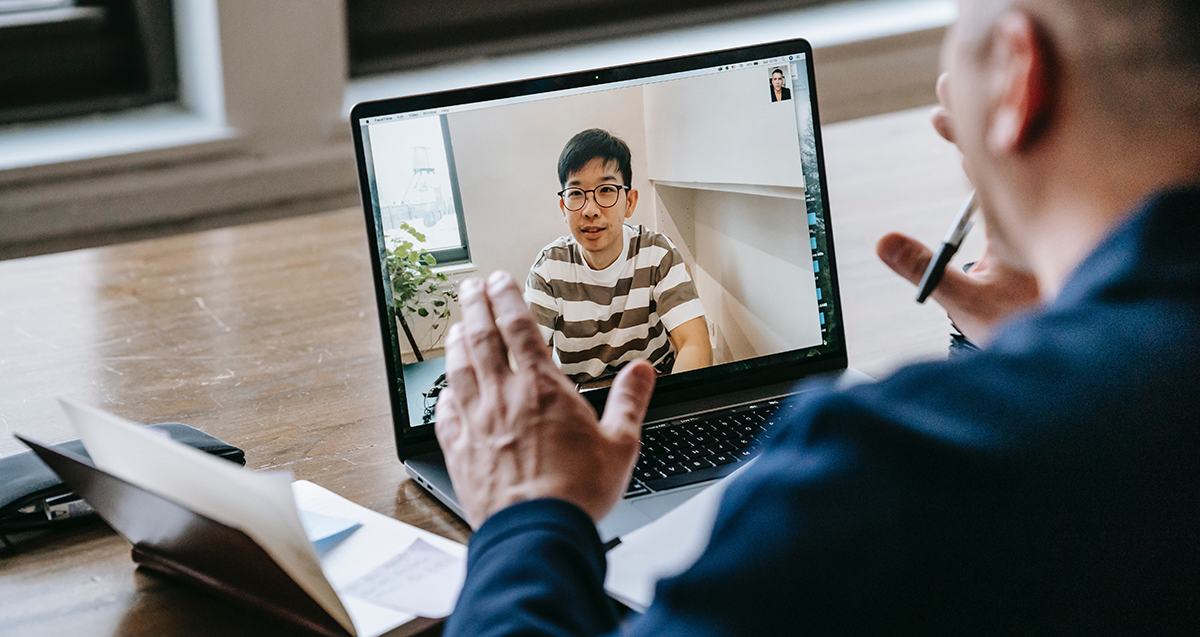
Remote sales closers have become an essential force in modern business, transforming how companies generate revenue without relying on in-person interactions. These professionals specialize in finalizing deals and driving conversions through virtual channels, allowing businesses to expand their reach across the globe. Unlike traditional sales representatives who rely on office meetings or face-to-face pitches, remote sales closers leverage digital tools, communication skills, and strategic persuasion to close high-value deals from anywhere. Their role requires a blend of technical proficiency, emotional intelligence, and adaptability, making them highly sought after in industries ranging from SaaS to high-ticket coaching programs. With the global shift toward remote work, businesses increasingly recognize the value of having skilled remote closers on their teams. This makes the career path not only lucrative but also flexible, providing opportunities for freelancing, commission-based work, or full-time remote positions. Understanding the responsibilities, tools, and strategies of remote sales closers is key to thriving in this growing field.
Understanding Remote Sales Closers
Remote sales closers are professionals who finalize sales transactions entirely online or over the phone. Their main responsibility is to convert leads into paying clients while maintaining a high level of professionalism and credibility. These roles often focus on high-ticket products or services, where building trust and demonstrating value are essential for closing the deal. Unlike traditional sales, remote closing requires exceptional communication skills, as there are no in-person cues to rely on. Remote sales closers must be proactive in learning about their clients, understanding their pain points, and tailoring their approach to each interaction. This career demands self-discipline, motivation, and a willingness to continually adapt to new technologies and sales strategies. Businesses that employ remote sales closers benefit from a more flexible, cost-efficient sales team that can operate across multiple time zones without the overhead of office infrastructure.
Skills and Traits of High-Performing Remote Sales Closers
Success as a remote sales closer is rooted in a unique combination of interpersonal and technical skills. Strong communication skills are paramount, enabling closers to clearly articulate value propositions, respond to objections, and establish rapport through virtual channels. Emotional intelligence is equally important, allowing professionals to interpret client emotions and adjust their tone or approach accordingly. Self-discipline and time management help remote closers maintain productivity without direct supervision, ensuring that leads are followed up on promptly and efficiently. Negotiation and persuasion techniques are refined for virtual interactions, where trust must be built without physical presence. Additionally, adaptability to multiple sales platforms, CRM tools, and digital communication channels sets top performers apart from average closers. Consistently successful remote sales closers also prioritize learning, continuously seeking strategies and training to refine their skills and improve conversion rates.
Tools and Technology That Empower Remote Sales Closers
Remote sales closers rely on an array of digital tools to perform their roles effectively and efficiently. Customer Relationship Management software is critical for tracking leads, managing follow-ups, and analyzing client interactions. Video conferencing platforms such as Zoom or Google Meet enable virtual meetings that replicate in-person communication, while screen sharing tools allow for product demonstrations and presentations. Communication platforms, including email, instant messaging, and collaborative apps, streamline interactions and ensure timely follow-ups. Sales automation software reduces manual tasks, allowing closers to focus on high-value activities like personalized outreach and negotiation. AI-driven tools offer insights into lead behavior, helping closers identify high-potential prospects and refine their messaging. The combination of these technologies empowers remote sales closers to maintain professionalism, efficiency, and consistency, even while working from different locations.
Effective Strategies for Remote Closing
Closing deals remotely requires a strategic approach that builds trust and showcases value to potential clients. Rapport is established through personalized communication, active listening, and demonstrating a deep understanding of the client’s needs. Well-crafted sales scripts guide conversations while remaining flexible to accommodate unique client concerns. Handling objections effectively is essential, as remote interactions can make resistance more common due to the lack of physical presence. Creating urgency and highlighting the unique benefits of the product or service helps motivate clients to take action without feeling pressured. Follow-up strategies are critical for converting leads that may not be ready to commit immediately, using automated reminders, emails, or calls to maintain engagement. Consistency in messaging, combined with authenticity, builds credibility and positions the remote sales closer as a trusted advisor rather than just a salesperson. By implementing these strategies, remote sales closers can maximize their conversion rates and revenue impact.
Career Path and Opportunities for Remote Sales Closers
The career trajectory for remote sales closers is diverse and offers significant earning potential. Many professionals start as junior sales representatives, building experience and refining their techniques before moving into high-ticket or specialized closing roles. Freelancing provides flexibility, allowing closers to work with multiple clients or companies simultaneously, while full-time remote roles offer stability and often include commissions or performance bonuses. Certain industries, such as technology, online education, and high-ticket consulting, offer higher average earnings due to the complexity and value of their products. Continuous learning through certifications, online courses, and mentorship programs is critical for staying competitive in the field. Networking within professional communities and leveraging platforms like LinkedIn can help remote closers expand their client base and uncover new opportunities. Reputation management and consistent performance are essential, as referrals and repeat business can significantly boost long-term income.
Common Challenges and How to Overcome Them
Remote sales closers face several unique challenges that require careful management and proactive solutions. Distractions at home can affect productivity, making a dedicated workspace and structured schedule vital for maintaining focus. Building client relationships without in-person interaction requires extra effort in communication and trust-building. Rejection can feel more personal in virtual sales, so resilience and a growth mindset are necessary to maintain motivation. Coordinating across multiple time zones can be challenging, but scheduling tools and flexible hours help manage client availability. Work-life balance may blur when working remotely, making clear boundaries and routines important to prevent burnout. Adapting to new technologies and continuously updating skills ensures closers remain effective in a competitive market. Understanding these challenges and implementing strategies to address them allows remote sales closers to thrive in a dynamic work environment.
Metrics and Performance Evaluation
Tracking performance is essential for remote sales closers to understand their effectiveness and identify areas for improvement. Key performance indicators include conversion rates, call-to-close ratios, and total revenue generated. Monitoring client engagement metrics, such as response times and follow-up success, helps optimize communication strategies. Data from CRM and sales analytics tools provides insights into which techniques are most successful, enabling refinements in approach. Regular performance reviews, either self-conducted or by management, support accountability and professional growth. Feedback from clients can also reveal strengths and opportunities for improvement in relationship management. By systematically analyzing these metrics, remote sales closers can maintain high productivity levels, increase revenue, and enhance their professional reputation over time.
Frequently Asked Questions
What exactly does a remote sales closer do?
Remote sales closers are responsible for converting leads into clients entirely through virtual interactions, often handling high-value deals and using digital communication tools.
How much can a remote sales closer earn per month?
Earnings vary widely depending on experience, industry, and commission structure, with top performers earning several thousand dollars monthly or more through commissions alone.
Do remote sales closers need prior sales experience?
While prior sales experience is beneficial, strong communication skills, motivation, and willingness to learn can allow newcomers to succeed in this role.
What tools are absolutely necessary for remote sales closing?
CRMs, video conferencing platforms, communication apps, and sales tracking software are essential tools that streamline workflow and improve closing efficiency.
Can someone succeed as a remote sales closer without a large network?
Yes, success depends more on skill, persistence, and ability to leverage digital channels than on an existing network.
How do remote sales closers handle multiple leads at once?
Through effective use of CRMs, time management strategies, and prioritization based on lead potential and urgency.
Are remote sales closer roles commission-based or salaried?
Both structures exist; many roles offer a base salary plus commission, while freelance positions are often fully commission-based.
Takeaway
Remote sales closers represent a dynamic and growing career path that combines communication expertise, strategic thinking, and adaptability. Their ability to close deals virtually makes them indispensable to businesses aiming to expand globally without geographical constraints. Success in this field relies on mastering digital tools, refining sales techniques, and maintaining resilience in a remote environment. Career opportunities are diverse, ranging from freelancing to high-paying full-time roles across multiple industries. While challenges exist, including managing distractions, time zones, and client relationships, the rewards—financial freedom, flexibility, and professional growth—are substantial. For those willing to invest in their skills and embrace the digital sales landscape, becoming a remote sales closer offers both lucrative earnings and a flexible, fulfilling career.