The Rise of Dial a Closer in Today’s Sales Landscape
The way businesses approach sales has shifted dramatically, and “Dial a Closer” has become a term that reflects this evolution. Instead of relying solely on in-house teams, many companies now turn to on-demand sales professionals who specialize in closing deals. This approach bridges a critical gap between generating leads and actually converting them into paying customers. Marketing efforts can bring in attention and interest, but without strong closing skills, those leads often fail to translate into revenue. That’s where Dial a Closer services step in, offering a direct path to improving conversions.
The increasing complexity of buyer behavior also contributes to the rise of this model. Customers today are more informed, more cautious, and often require personalized communication before making a purchase decision. A skilled closer understands how to navigate these dynamics, building trust quickly while addressing objections effectively. Businesses that lack this expertise internally often struggle to keep up. Dial a Closer provides immediate access to professionals who already possess these high-level skills.
Another major factor driving adoption is the growth of remote work. Sales conversations no longer require face-to-face meetings, making it easier than ever to outsource closing to experts located anywhere in the world. This flexibility allows businesses to tap into a global talent pool without geographical limitations. It also eliminates the need for expensive office space and long onboarding processes. As a result, companies can scale faster and more efficiently.
Entrepreneurs, especially those in digital industries, are increasingly drawn to this model. Coaches, consultants, and SaaS providers often deal with high-ticket offers that require a consultative sales approach. Dial a Closer services align perfectly with these needs, providing a seamless way to handle complex sales conversations. The ability to focus on product development and marketing while leaving closing to experts is a significant advantage.
Ultimately, the rise of Dial a Closer reflects a broader trend toward specialization. Businesses no longer need to do everything themselves. Instead, they can rely on experts for each stage of the customer journey. This shift not only improves efficiency but also enhances overall performance. As competition continues to intensify, having access to skilled closers can make the difference between stagnation and growth.
How Dial a Closer Works Behind the Scenes
Understanding how Dial a Closer operates helps clarify why it has become such a powerful tool for businesses. The process typically begins with lead generation and appointment setting, which are handled either internally or by a separate team. Once a qualified prospect is scheduled for a call, the closer steps in to take over the conversation. Their primary goal is to guide the prospect toward a confident buying decision.
During the call, the closer follows a structured framework designed to uncover the prospect’s needs, challenges, and goals. This is not about pushing a product aggressively but rather about creating alignment between the offer and the customer’s situation. Skilled closers know how to ask the right questions, listen actively, and position the solution in a way that resonates deeply. This approach builds trust and increases the likelihood of conversion.
Technology plays a crucial role in this process. Closers often use tools like Zoom, CRM systems, and call tracking software to manage interactions and track performance. These tools ensure that every conversation is documented and optimized over time. Businesses benefit from this data-driven approach, as it provides insights into what works and what needs improvement. It also creates transparency and accountability.
Another important aspect is collaboration between the business and the closer. Clear communication about the product, target audience, and brand voice is essential for success. The closer must fully understand what they are selling and how it fits into the customer’s journey. This alignment ensures that the sales process feels authentic and consistent.
In many cases, Dial a Closer services operate on a performance-based model. This means they are incentivized to close deals, aligning their success with that of the business. This structure reduces risk for companies and encourages high performance. It also creates a results-driven environment where efficiency and effectiveness are prioritized.
Key Benefits of Using Dial a Closer Services
One of the most compelling reasons businesses turn to Dial a Closer is the immediate access to expertise. Hiring and training an in-house sales team can take months, if not longer. With outsourced closers, companies can start seeing results much faster. This speed is particularly valuable in competitive markets where timing can make a significant difference.
Cost efficiency is another major advantage. Building an internal sales team involves salaries, benefits, training, and management overhead. Dial a Closer eliminates many of these expenses, offering a more flexible and scalable solution. Businesses only pay for the services they need, making it easier to manage budgets and allocate resources effectively. This model is especially appealing to startups and small businesses.
Scalability is a key factor as well. As demand increases, businesses can simply engage more closers without the need for lengthy hiring processes. This flexibility allows companies to adapt quickly to market changes and growth opportunities. It also reduces the risk of overstaffing during slower periods. Dial a Closer provides a level of agility that traditional sales teams often lack.
Another benefit is improved conversion rates. Experienced closers bring proven techniques and strategies that have been refined over time. They understand how to handle objections, build rapport, and guide prospects toward a decision. This expertise often leads to higher closing rates compared to less experienced in-house teams. The result is increased revenue without necessarily increasing lead volume.
Finally, outsourcing closing allows business owners to focus on their strengths. Instead of spending time on sales calls, they can concentrate on strategy, product development, and marketing. This division of labor leads to greater overall productivity. It also reduces burnout, as founders are not stretched across too many responsibilities. Dial a Closer creates a more balanced and efficient business operation.
Dial a Closer vs. In-House Sales Teams
When comparing Dial a Closer with in-house sales teams, the differences become clear. In-house teams offer control and consistency, but they come with higher costs and longer setup times. Recruiting, training, and managing a team requires significant investment, both financially and in terms of time. For many businesses, this can be a barrier to growth.
Dial a Closer, on the other hand, provides immediate access to experienced professionals. There is no need for extensive onboarding or training, as these closers are already skilled in their craft. This allows businesses to hit the ground running and start closing deals quickly. It also reduces the burden on management, as there is less need for supervision.
Flexibility is another key difference. In-house teams are typically fixed in size, making it difficult to scale up or down as needed. Dial a Closer offers a more adaptable solution, allowing businesses to adjust their sales capacity based on demand. This flexibility is particularly valuable in industries with fluctuating workloads.
Performance accountability is often stronger with outsourced closers. Since many operate on commission or performance-based models, they are highly motivated to deliver results. In contrast, in-house teams may not always have the same level of incentive. This difference can have a significant impact on overall performance.
However, it’s important to recognize that each approach has its place. Some businesses benefit from a hybrid model that combines in-house teams with Dial a Closer services. This allows them to leverage the strengths of both approaches. The key is to choose the strategy that aligns best with the company’s goals and resources.
Industries That Benefit Most from Dial a Closer
Certain industries are particularly well-suited to the Dial a Closer model. High-ticket coaching and consulting businesses are a prime example. These offers often require detailed conversations to address client needs and justify the investment. A skilled closer can navigate these discussions effectively, increasing the likelihood of conversion.
SaaS companies also benefit significantly from this approach. Many software solutions require demonstrations and consultations before a purchase decision is made. Dial a Closer professionals can handle these interactions, ensuring that prospects fully understand the value of the product. This leads to higher adoption rates and customer satisfaction.
Real estate and property investment firms are another strong fit. These industries involve complex transactions that require trust and clear communication. Closers can guide prospects through the decision-making process, addressing concerns and building confidence. This support can make a substantial difference in closing deals.
E-commerce brands with premium products are also leveraging Dial a Closer services. While many online purchases are self-service, high-value items often require additional reassurance. A closer can provide this support, turning hesitant prospects into confident buyers. This approach enhances the customer experience and boosts revenue.
Digital marketing agencies and service providers round out the list. These businesses often rely on consultations to explain their offerings and demonstrate value. Dial a Closer professionals can handle these conversations, allowing agency owners to focus on delivering results for clients. This creates a more streamlined and effective operation.
Skills That Define a High-Converting Dial a Closer
Not all closers are created equal, and the most successful ones share a specific set of skills. Communication is at the core of their effectiveness. They know how to articulate value clearly and persuasively, ensuring that prospects understand the benefits of the offer. This clarity is essential for building trust and driving decisions.
Emotional intelligence is another critical trait. High-performing closers can read the room, even in a virtual setting. They pick up on subtle cues and adjust their approach accordingly. This ability allows them to connect with prospects on a deeper level, creating a sense of rapport and understanding.
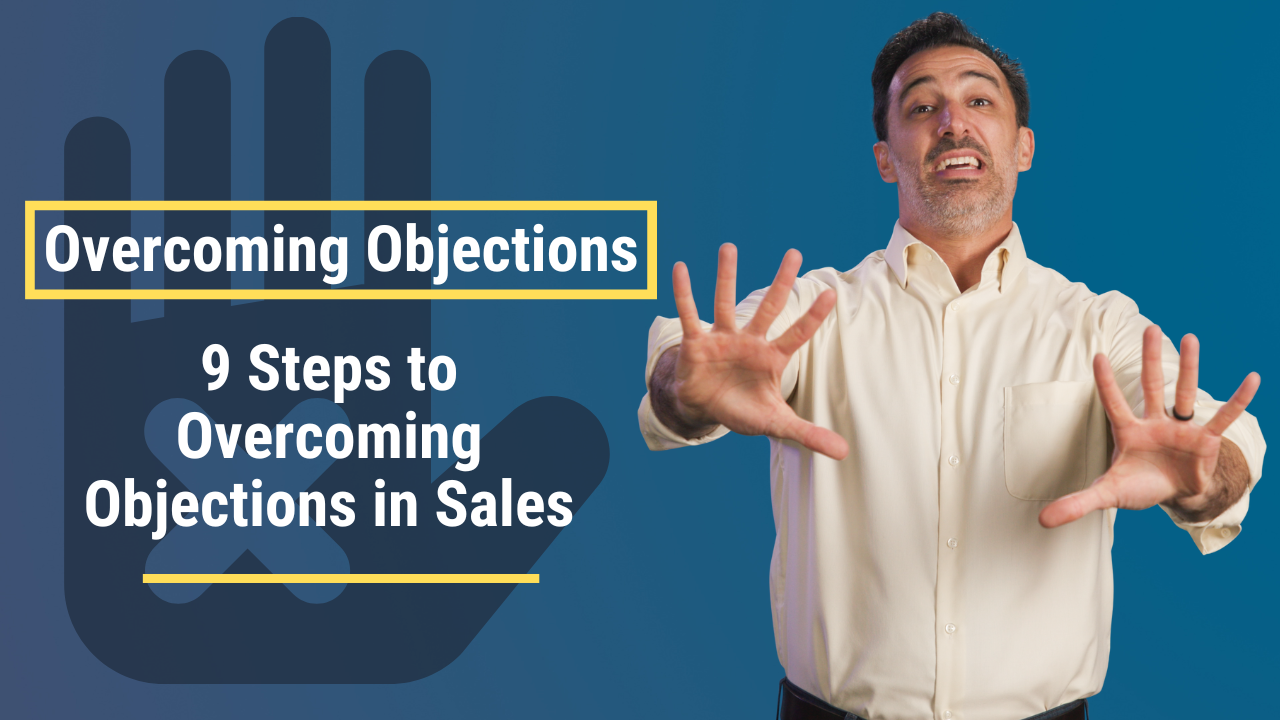
Objection handling is a skill that separates average closers from exceptional ones. Prospects often have concerns or doubts, and addressing these effectively is key to closing deals. Skilled closers view objections as opportunities to provide clarity and reassurance. This mindset transforms challenges into stepping stones.
Adaptability is also important. Every prospect is different, and a one-size-fits-all approach rarely works. Closers must be able to adjust their style and strategy based on the situation. This flexibility ensures that each conversation feels personalized and relevant.
Confidence, when balanced with authenticity, is another defining characteristic. Prospects can sense when someone is genuine, and this authenticity builds trust. At the same time, confidence reassures them that they are making the right decision. Together, these qualities create a powerful combination.
Common Misconceptions About Dial a Closer
Despite its growing popularity, there are still several misconceptions about Dial a Closer. One common belief is that it is only suitable for large companies. In reality, businesses of all sizes can benefit from this model. Small businesses, in particular, often gain the most due to limited resources.
Another misconception is that outsourced closers are too expensive. While there is a cost involved, the return on investment often outweighs the expense. Improved conversion rates and increased revenue can quickly justify the investment. It’s important to view this as a strategic decision rather than just a cost.
Some people also believe that outsourced sales lack authenticity. However, with proper onboarding and alignment, closers can represent a brand effectively. They can match the tone, values, and messaging of the business, creating a seamless experience for prospects. This alignment is key to success.
There is also a myth that anyone can close deals with a script. While scripts can provide structure, they are not a substitute for skill and experience. Effective closing requires a deep understanding of human behavior and communication. It’s an art as much as it is a science.
Addressing these misconceptions helps businesses make informed decisions. By understanding the reality of Dial a Closer, companies can leverage its full potential. This clarity is essential for achieving the best possible results.
How to Choose the Right Dial a Closer Service
Selecting the right Dial a Closer service is a critical step in achieving success. Businesses should start by evaluating the experience and track record of potential closers. This includes reviewing past performance, client feedback, and industry expertise. A strong track record is a good indicator of reliability.
Understanding pricing models is also important. Some closers work on commission, while others use a hybrid approach with a retainer. Each model has its advantages, and the best choice depends on the business’s needs and budget. Transparency in pricing is essential to avoid misunderstandings.
Communication style is another key factor. The closer should be able to adapt to the brand’s voice and connect with the target audience. This alignment ensures that the sales process feels natural and consistent. It also enhances the overall customer experience.
Businesses should also ask specific questions before making a decision. These might include inquiries about their sales process, tools, and performance metrics. Clear answers to these questions provide valuable insights into how the closer operates. This information helps in making an informed choice.
Ultimately, the goal is to find a partner who aligns with the business’s objectives. This alignment creates a strong foundation for collaboration. With the right closer, businesses can achieve significant improvements in their sales performance.
Setting Up Your Business for Dial a Closer Success
To maximize the benefits of Dial a Closer, businesses need to set themselves up for success. One of the most important factors is lead quality. Even the best closer cannot convert unqualified leads. Ensuring that prospects are a good fit for the offer is essential.
A clear value proposition is equally important. Prospects need to understand what makes the offer unique and why it is worth their investment. This clarity makes the closer’s job easier and increases the likelihood of conversion. It also reduces confusion during the sales process.
Alignment between the business and the closer is crucial. This includes setting clear expectations, defining key performance indicators, and maintaining open communication. Regular feedback helps in refining the process and improving results over time. Collaboration is key to achieving the best outcomes.
Essential Elements for a Strong Dial a Closer Setup
-
High-quality, pre-qualified leads ready for sales conversations
-
A clearly defined offer with strong value positioning
-
Detailed onboarding materials for the closer
-
Consistent communication and feedback loops
-
Performance tracking and optimization systems
-
Alignment on brand voice and messaging
-
Realistic goals and expectations
Providing proper onboarding and resources ensures that the closer can perform at their best. This includes product knowledge, target audience insights, and sales scripts if needed. The more prepared the closer is, the more effective they will be. This preparation sets the stage for success.
Pricing Models and ROI Expectations
Understanding pricing models is essential when considering Dial a Closer services. Commission-based structures are common, where closers earn a percentage of each sale. This aligns their incentives with the business’s goals, creating a performance-driven environment. It also reduces upfront costs.
Flat-rate models are another option, providing predictable expenses. These are often combined with performance incentives to maintain motivation. Hybrid models offer a balance between stability and performance-based rewards. Each approach has its advantages, depending on the business’s needs.
Calculating return on investment is a critical step. Businesses should consider factors such as conversion rates, average deal size, and customer lifetime value. These metrics provide a clear picture of the financial impact. A strong ROI indicates that the investment is worthwhile.
It’s also important to set realistic expectations. Results may not be immediate, as there is often a learning curve involved. However, with consistent effort and optimization, improvements are typically seen over time. Patience and persistence are key.
Budgeting for Dial a Closer services should be done strategically. Businesses need to balance cost with potential returns. By focusing on long-term growth, they can make informed decisions that drive success.
Challenges and Risks to Be Aware Of
While Dial a Closer offers many benefits, there are also challenges to consider. One potential issue is misalignment between the closer and the brand. If the messaging does not match, it can create confusion for prospects. Clear communication and onboarding help mitigate this risk.
Lead quality is another critical factor. Poor-quality leads can negatively impact performance, regardless of the closer’s skill. Businesses must ensure that their marketing and appointment-setting processes are effective. This foundation is essential for success.
Communication gaps can also arise in remote setups. Without regular check-ins and feedback, issues may go unnoticed. Establishing clear communication channels is important for maintaining alignment. This ensures that everyone is on the same page.
Over-reliance on external talent is another consideration. While outsourcing can be highly effective, businesses should maintain some level of internal capability. This balance provides stability and flexibility. It also reduces dependency on external providers.
By addressing these challenges proactively, businesses can minimize risks. This approach ensures a smoother experience and better results. Awareness and preparation are key to overcoming potential obstacles.
Future Trends in Dial a Closer Services
The future of Dial a Closer is shaped by ongoing advancements in technology and changing market dynamics. AI-assisted sales tools are becoming more prevalent, providing insights and automation that enhance performance. These tools help closers make more informed decisions and improve efficiency.
There is also a growing demand for niche-specific closers. Businesses are looking for professionals with expertise in their particular industry. This specialization allows for more targeted and effective sales conversations. It also increases the likelihood of success.
Hybrid sales teams are becoming more common, combining in-house staff with outsourced closers. This approach offers the best of both worlds, providing flexibility and control. It also allows businesses to scale more effectively.
The global talent pool continues to expand, giving businesses access to a wider range of skills and expertise. This diversity enhances the overall quality of Dial a Closer services. It also creates new opportunities for growth.
As remote selling becomes the norm, the role of Dial a Closer will continue to evolve. Businesses that embrace this model are likely to stay ahead of the competition. This adaptability is essential in a rapidly changing environment.
FAQ
What is a Dial a Closer service?
A Dial a Closer service connects businesses with experienced sales professionals who specialize in closing deals remotely, often through calls or virtual meetings.
How much does Dial a Closer typically cost?
Costs vary depending on experience and pricing structure, with options including commission-only, flat-rate, or hybrid models.
Is Dial a Closer effective for small businesses?
Yes, it is particularly beneficial for small businesses looking to scale without the expense of building a full in-house sales team.
What industries benefit the most from Dial a Closer?
Industries such as coaching, SaaS, real estate, and digital marketing often see strong results with this model.
How quickly can results be expected?
Results can appear within weeks, depending on lead quality, offer strength, and alignment between the business and the closer.
Can outsourced closers match my brand voice?
Yes, with proper onboarding and communication, they can align closely with your brand’s messaging and tone.
What should I prepare before hiring a Dial a Closer?
You should have a clear offer, qualified leads, and a structured sales process to maximize effectiveness.
Takeaway
Dial a Closer represents a powerful shift in how businesses approach sales, offering flexibility, expertise, and scalability without the burden of building a full in-house team. By leveraging skilled closers, companies can bridge the gap between leads and revenue more effectively. Success depends on strong alignment, quality leads, and clear communication, all of which create a foundation for high conversion rates. Businesses that embrace this model position themselves for faster growth and greater efficiency in an increasingly competitive market.