Understanding Remote Closing Sales
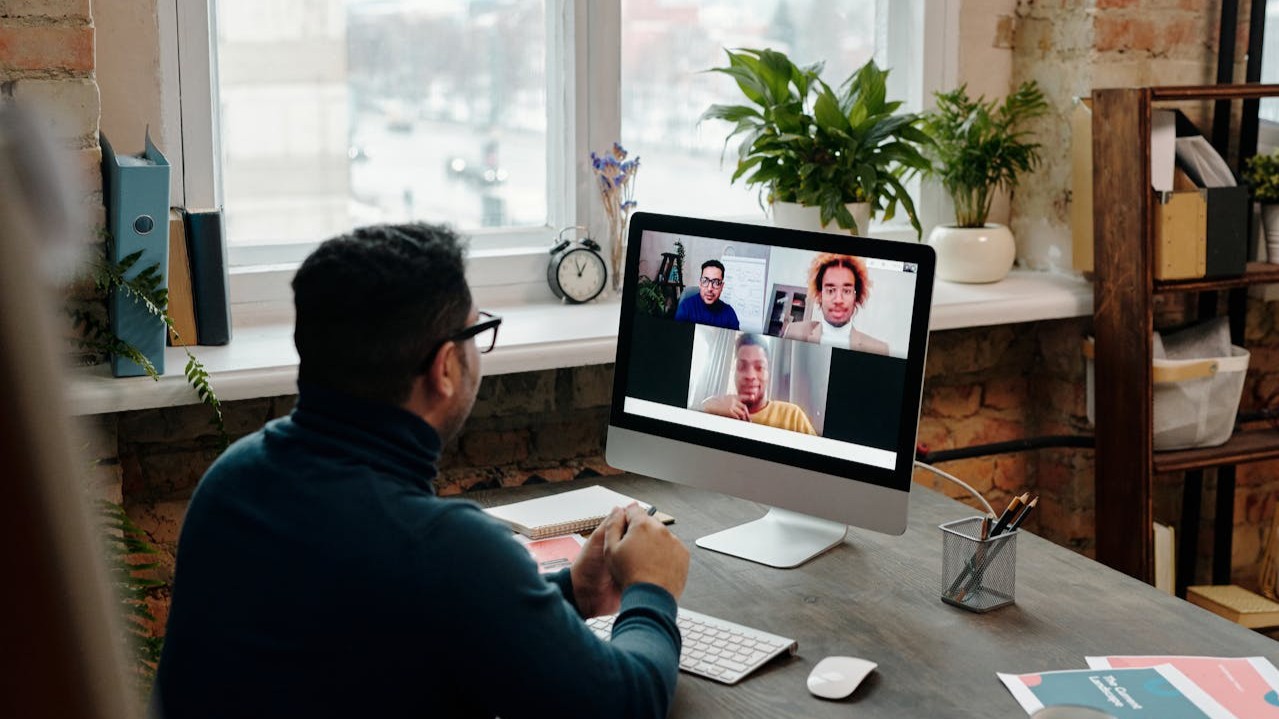
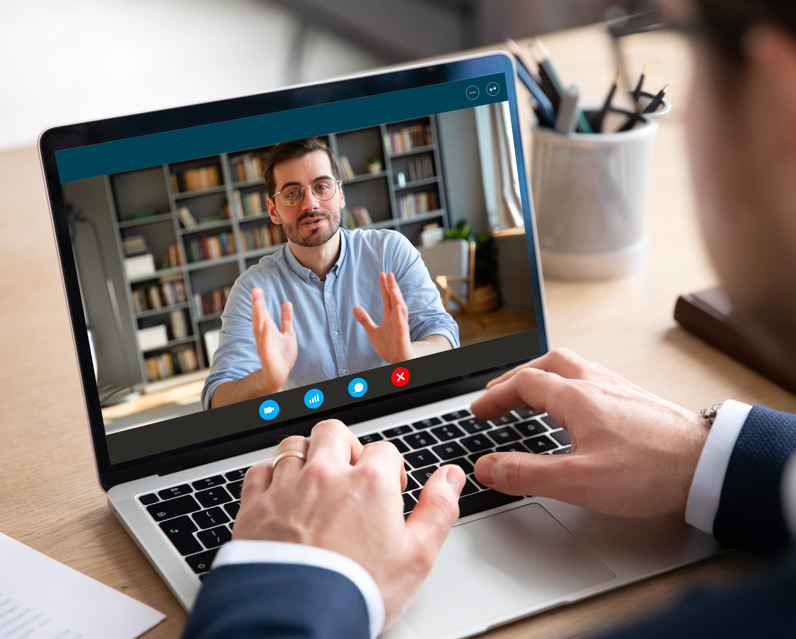
Remote closing sales refers to the process of converting qualified leads into paying customers through virtual communication channels such as phone calls, video calls, and online messaging platforms. This sales model is primarily used in digital-first businesses where transactions happen online rather than in physical locations. In remote closing sales, the closer is responsible for guiding prospects through the final stage of the buying decision without ever meeting them face-to-face. The entire interaction is built on trust, communication, and persuasive selling techniques delivered through remote tools.
This model has become increasingly relevant as businesses shift toward online operations. Companies now rely on remote closers to handle high-value conversations that require human interaction but do not require physical presence. Remote closing sales is especially effective in industries where products or services are high-ticket, meaning they carry a significant price point and require deeper consideration before purchase. The role demands confidence, structure, and a strong understanding of buyer psychology.
Unlike traditional retail or in-person sales environments, remote closing sales is less about physical presence and more about emotional intelligence and communication clarity. The closer must be able to build rapport quickly and guide the conversation with intention. Every interaction is strategically structured to move the prospect closer to a decision. Because of this, the profession attracts individuals who are motivated by performance-based income and flexible working environments.
Businesses value remote closing sales professionals because they increase conversion rates without increasing overhead costs. Instead of hiring large in-house teams, companies can work with skilled closers across different regions. This creates opportunities for both businesses and individuals seeking high-income remote work.
Evolution of High-Ticket Remote Sales
The development of remote closing sales is closely tied to the rise of digital business models. In the past, sales roles required physical meetings, in-person presentations, and local networking. As technology evolved, businesses began shifting their operations online, creating a demand for virtual communication in sales processes. This transition opened the door for remote closing sales professionals who could operate independently from any location.
The expansion of online education platforms, coaching programs, SaaS companies, and digital agencies has significantly increased the need for remote closers. These industries rely heavily on high-ticket offers that require personalized conversations before purchase. A customer buying a $2,000 course or a $10,000 coaching program is unlikely to make a decision without speaking to a trained closer.
Remote closing sales became a structured career path as entrepreneurs realized that skilled communicators could dramatically improve conversion rates. Instead of relying on automated funnels alone, businesses began integrating human interaction at the final stage of the sales process. This hybrid model combines automation with personalization.
Global connectivity has also played a major role in this evolution. With video conferencing tools and cloud-based systems, sales professionals can now work with clients and companies across different countries. This flexibility has transformed remote closing sales into a worldwide opportunity rather than a location-bound profession.
Core Responsibilities of a Remote Closer
A remote closer plays a critical role in the sales pipeline by handling conversations with qualified prospects who are already interested in a product or service. Their primary responsibility is to convert these leads into paying customers through structured conversations. This involves active listening, strategic questioning, and persuasive communication.
Remote closing sales professionals must be able to quickly build trust and understand the emotional and practical needs of the prospect. They are expected to guide conversations in a way that uncovers pain points and aligns solutions effectively. This is not about aggressive selling but rather about structured guidance.
They also handle objections, which are natural concerns or hesitations that arise during the sales process. A skilled closer knows how to address these concerns without pressure, helping the prospect feel confident in their decision. Another key responsibility is ensuring a smooth transition from interest to payment, including handling contracts and payment processes.
A remote closer is also responsible for maintaining accurate records of conversations and updating customer relationship management systems. This ensures that the sales pipeline remains organized and efficient. Follow-up communication is another important aspect, especially when prospects need additional time to decide.
Essential Skills for Success in Remote Closing Sales
Success in remote closing sales depends on a combination of communication skills, emotional intelligence, and structured thinking. The ability to listen actively is one of the most important skills, as it allows closers to understand what the prospect truly needs. Without this understanding, it becomes difficult to present a relevant solution.
Confidence plays a major role in building trust during sales conversations. A hesitant or unclear communicator can easily lose a prospect’s interest. Emotional intelligence allows closers to sense tone, hesitation, and buying signals during conversations.
Persuasion techniques are also essential in remote closing sales. These techniques are not about manipulation but about guiding decision-making through clarity and value alignment. Strong closers know how to position a product in a way that resonates with the prospect’s goals.
Here are key skills that define a successful remote closer:
-
Active listening and clear communication
-
Emotional intelligence and empathy
-
Objection handling and problem-solving
-
Structured questioning techniques
-
Confidence in high-pressure conversations
-
Time management and pipeline organization
-
Ability to build rapport quickly in virtual environments
Each of these skills contributes to higher conversion rates and better client relationships. Remote closing sales professionals continuously refine these abilities through practice and feedback.
Tools and Technology Used in Remote Closing Sales
Remote closing sales relies heavily on digital tools that support communication, organization, and tracking. Customer relationship management systems are essential for managing leads and monitoring the sales pipeline. These systems allow closers to track every interaction and follow up efficiently.
Video conferencing platforms are commonly used for live sales calls. These platforms help replicate face-to-face interaction, allowing closers to read facial expressions and body language. Call recording software is also widely used for performance review and training purposes.
Automation tools assist with scheduling calls, sending reminders, and managing follow-ups. This reduces manual workload and ensures consistency in communication. Payment platforms and digital contract systems streamline the final step of the sales process, making transactions quick and secure.
Without these tools, remote closing sales would not function efficiently at scale. Technology enables closers to operate across time zones and manage multiple clients simultaneously.
Step-by-Step Process of a Remote Closing Sales Call
The remote closing sales process follows a structured approach designed to maximize conversion rates. It begins with pre-call preparation, where the closer reviews the prospect’s background and identifies key areas of interest. This ensures that the conversation is personalized and relevant.
The opening stage focuses on building rapport and establishing trust. A warm and natural conversation helps the prospect feel comfortable. The discovery phase follows, where the closer asks targeted questions to understand the prospect’s needs and challenges.
After gathering information, the presentation phase begins. This is where the solution is introduced and aligned with the prospect’s goals. The conversation then moves into objection handling, where concerns are addressed clearly and confidently.
The closing stage involves guiding the prospect toward a decision. This may include clarifying next steps, confirming details, and processing payment. The final stage includes follow-up communication to ensure satisfaction and maintain relationship quality.
Types of Remote Closing Sales Opportunities
Remote closing sales spans across multiple industries, each offering unique opportunities for professionals. High-ticket coaching and consulting programs are among the most common. These programs rely heavily on human interaction to convert leads.
Other opportunities include online education platforms offering certification courses or skill development programs. SaaS companies also depend on remote closers to sell software subscriptions to businesses and individuals. Digital marketing agencies frequently use closers to convert clients for premium services.
E-commerce brands selling high-value products also integrate remote closing systems for better conversion rates. Each of these industries values communication-driven sales processes over automated systems.
Income Potential in Remote Closing Sales
Remote closing sales offers performance-based income, which means earnings are directly tied to results. Many closers work on commission structures that reward each successful sale. Entry-level professionals may start with modest earnings, but experienced closers can generate significant income through high-ticket deals.
Income varies depending on industry, product value, and skill level. Closers working in high-ticket markets often earn higher commissions per sale. Some professionals scale their income by working with multiple clients or agencies.
Because of its flexibility and earning potential, remote closing sales has become an attractive career path for individuals seeking financial growth without traditional office constraints.
How to Get Started in Remote Closing Sales
Starting a career in remote closing sales requires a combination of training, practice, and networking. Many individuals begin by learning sales fundamentals through online courses or training programs. These programs focus on communication, persuasion, and objection handling.
Building practical experience is important. Some beginners start with entry-level sales roles or internships to develop confidence. Networking with agencies and entrepreneurs can also open opportunities for remote closing roles.
Consistent practice and role-playing exercises help develop real-world skills. Over time, closers refine their techniques and build a strong personal sales style.
Common Challenges in Remote Closing Sales
Remote closing sales comes with challenges that require resilience and adaptability. One of the most common challenges is handling rejection. Not every conversation leads to a sale, and maintaining motivation is essential.
Another challenge is managing inconsistent lead quality. Some prospects may not be fully qualified, which can impact conversion rates. Communication barriers can also arise in virtual environments, especially when dealing with international clients.
Maintaining discipline while working remotely is another important factor. Without structured office environments, self-management becomes critical for long-term success.
Advanced Strategies for High Performance Closers
High-performing remote closers use advanced techniques to improve their conversion rates. Storytelling is one of the most effective tools, allowing prospects to visualize outcomes. Ethical urgency and scarcity are also used to encourage timely decision-making.
Psychological triggers such as social proof and value anchoring help guide purchasing decisions. Strong closers also focus on building long-term relationships rather than single transactions.
Upselling and cross-selling strategies are used to increase deal value while providing additional benefits to clients.
Remote Closing Sales Compared to Other Sales Careers
Remote closing sales differs from traditional inside or field sales roles in several ways. It offers greater flexibility since it can be done from anywhere. Unlike field sales, there is no requirement for travel or in-person meetings.
Income potential is often higher due to commission-based structures tied to high-ticket offers. The skill set is also more focused on communication and emotional intelligence rather than physical presence.
Many professionals find remote closing sales appealing because it combines independence with high earning potential.
Future Trends in Remote Closing Sales
The future of remote closing sales is closely linked to digital transformation and artificial intelligence. Automation tools will continue to streamline early stages of the sales process, but human closers will remain essential for high-value conversations.
Demand for remote sales professionals is expected to grow as more businesses move online. Personalization will become increasingly important in sales interactions. Customers will expect tailored communication rather than generic pitches.
Remote closing sales will continue to evolve as technology enhances communication and global connectivity expands.
Frequently Asked Questions
What is remote closing sales?
Remote closing sales is a virtual sales process where professionals convert leads into customers through online communication channels.
Is experience required to start in remote closing sales?
No formal experience is required, but training and practice significantly improve success rates.
How much can remote closing sales professionals earn?
Earnings vary widely, with potential ranging from moderate income for beginners to high earnings for experienced closers working with high-ticket offers.
What industries use remote closing sales?
Industries include coaching, consulting, SaaS, digital marketing, and online education.
What skills are most important in remote closing sales?
Communication, emotional intelligence, persuasion, and objection handling are key skills.
Final Takeaway
Remote closing sales represents a modern career path built on communication, digital tools, and performance-based opportunity. It continues to grow as businesses prioritize online interactions and high-ticket offerings. With the right skills, mindset, and consistency, individuals can build a flexible and high-income career in this field.