Understanding the Role of an Online Sales Closer
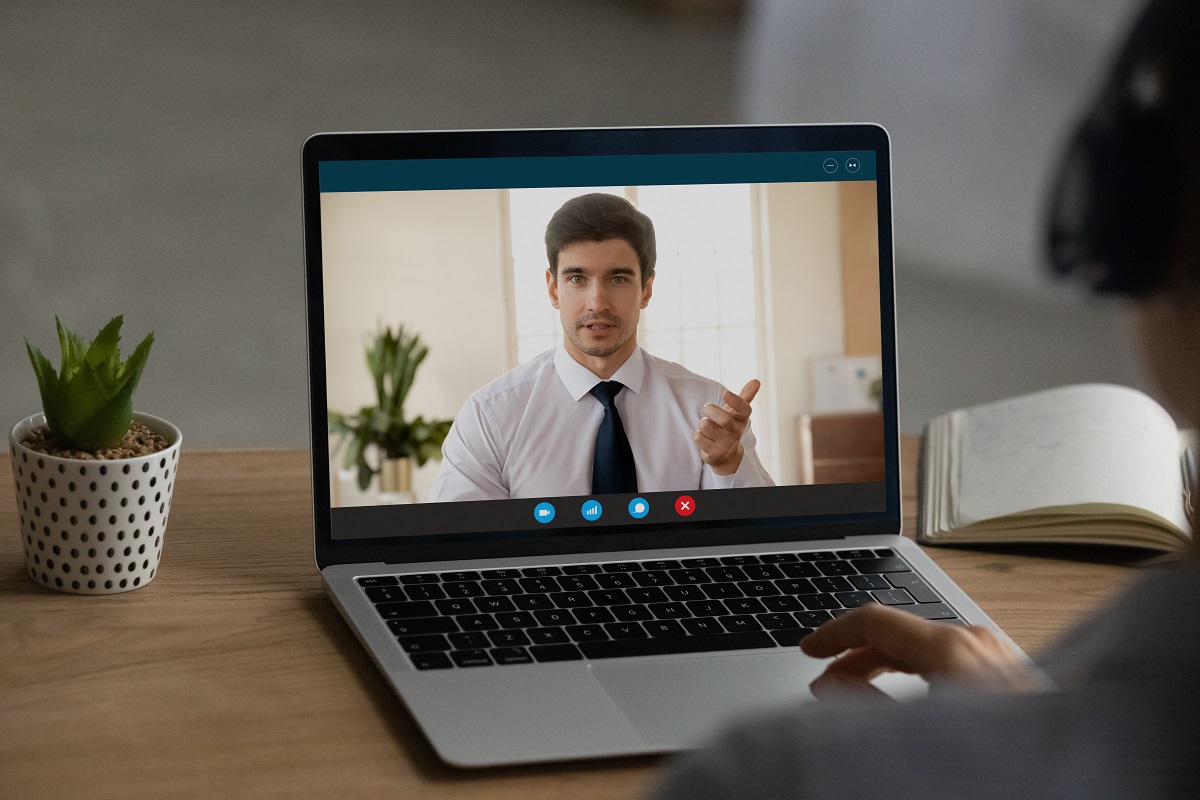
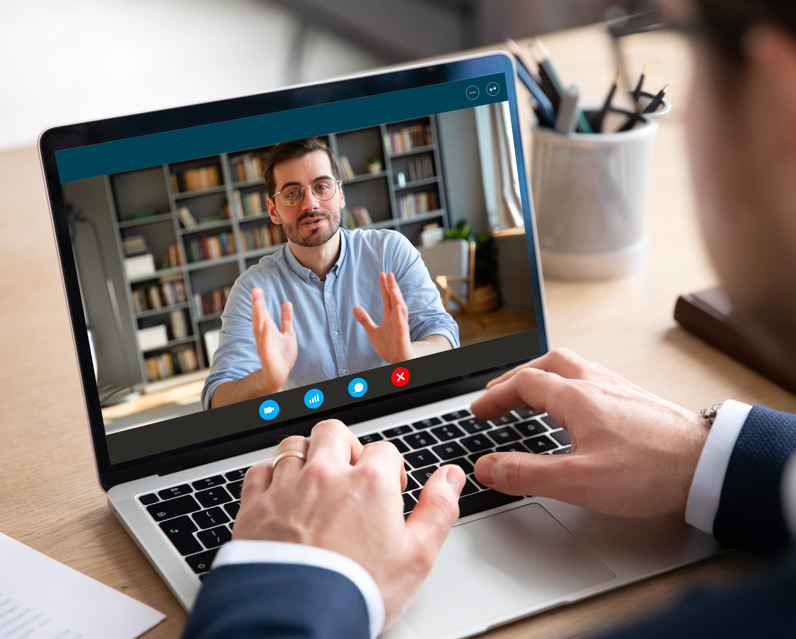
An online sales closer is a professional who specializes in converting leads into paying customers in a digital environment. Unlike traditional sales closers who often meet clients face-to-face, online sales closers rely on digital communication channels such as video calls, emails, and chat platforms to engage prospects. Their primary goal is to guide potential customers through the sales process, address objections, and ultimately secure deals. This role has become increasingly important as businesses move more of their sales processes online and seek scalable ways to increase revenue. Online sales closers often work within a structured digital sales funnel, ensuring that every lead receives personalized attention. Their ability to build rapport virtually is critical, as trust is often harder to establish without in-person interaction. Companies that employ skilled online sales closers often see higher conversion rates and stronger customer relationships.
Essential Skills Every Online Sales Closer Needs
Being an effective online sales closer requires a unique set of skills tailored to virtual interactions. Communication skills are paramount; the ability to clearly articulate value propositions and engage prospects over digital channels is essential. Active listening and asking the right questions allow sales closers to uncover pain points and craft personalized solutions. Understanding buyer psychology helps online sales closers anticipate objections and guide prospects toward a positive decision. Time management and organizational skills are also crucial, as remote closers often handle multiple leads and follow-ups simultaneously. Mastering objection handling ensures that even hesitant clients feel confident in moving forward. Successful online sales closers also maintain a high level of professionalism, empathy, and persistence throughout the sales process.
Tools and Technologies Used by Online Sales Closers
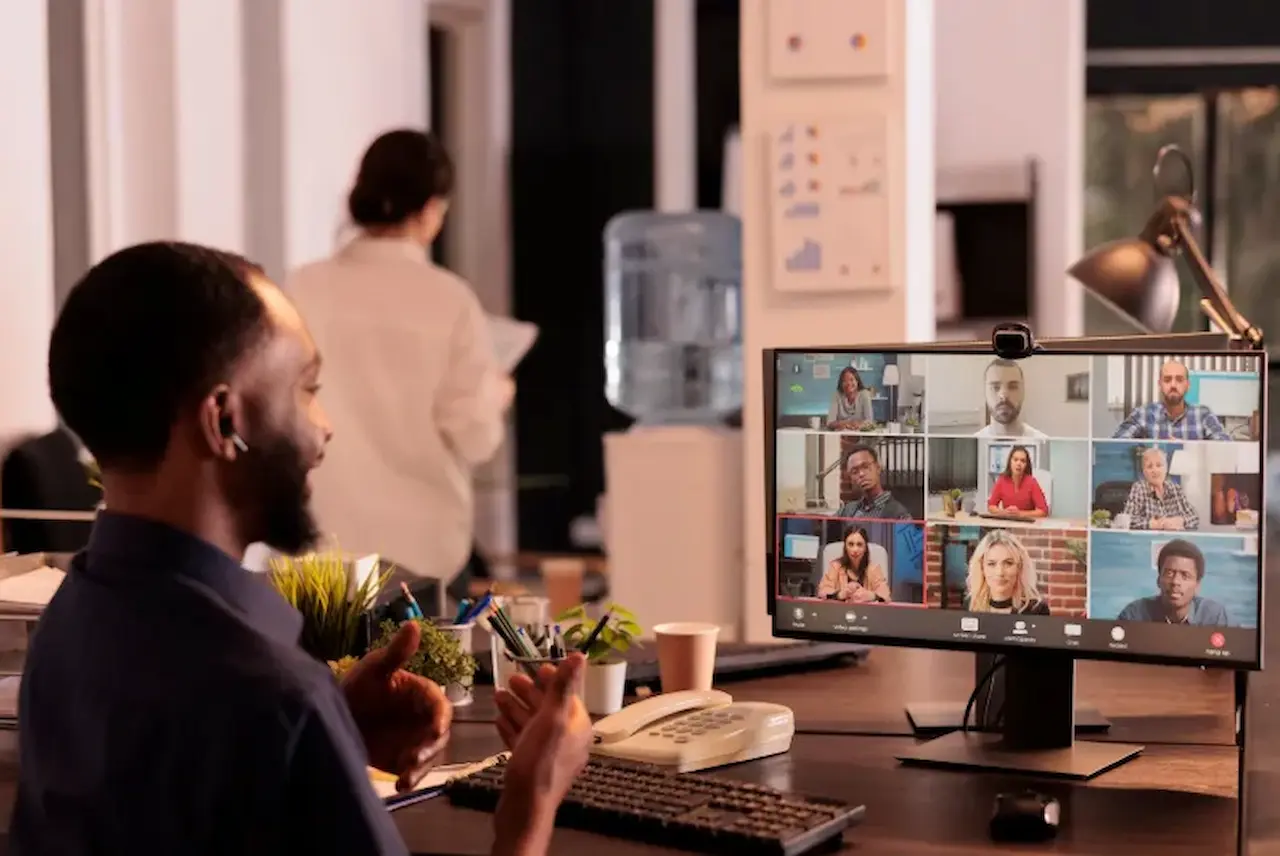
Modern online sales closers rely heavily on technology to streamline their workflow and maximize efficiency. Customer Relationship Management platforms like HubSpot and Salesforce help track interactions, manage leads, and automate follow-ups. Video conferencing tools enable face-to-face interactions with prospects, making virtual meetings more personal and engaging. Scheduling and automation software ensures that calls and follow-ups happen at optimal times without overwhelming the closer. Digital contract and e-signature platforms simplify the closing process, allowing deals to be finalized quickly. Analytics tools provide insights into performance metrics, helping closers refine their strategies over time. Using the right technology stack empowers online sales closers to focus on relationship-building rather than administrative tasks.
Strategies for High-Performing Online Sales Closing
High-performing online sales closers follow strategies that maximize conversion rates and create a seamless experience for prospects. Pre-call research is vital to understand the prospect’s needs, preferences, and challenges before engaging in conversation. Crafting persuasive sales scripts tailored to each prospect ensures consistency and professionalism. Storytelling is a powerful tool to build emotional connections and convey the value of products or services. Effective objection-handling techniques prevent potential roadblocks from derailing the sale. Building trust and credibility is critical, as buyers need assurance that their investment is worthwhile. Continuous practice and refinement of these strategies allow online sales closers to stay ahead in a competitive environment.
- Pre-call research and lead qualification
- Personalized sales scripts
- Storytelling for emotional connection
- Objection-handling methods
- Trust-building techniques
- Clear follow-up process
- Tracking and analyzing results
Metrics That Define a Successful Online Sales Closer
Performance metrics help measure the effectiveness of an online sales closer and highlight areas for improvement. Conversion rates indicate how many leads are successfully turned into paying customers. Average deal size and revenue per client provide insight into the financial impact of each sale. Customer satisfaction and retention rates show how well closers meet client expectations. Response times and follow-up efficiency reflect the closer’s professionalism and ability to nurture leads promptly. Pipeline growth and opportunity management indicate long-term success and business scalability. Regularly tracking these metrics allows online sales closers to refine their approach and achieve consistent results.
Common Challenges Online Sales Closers Face
Online sales closers often face unique challenges that require adaptability and resilience. Engaging prospects through digital channels can be more difficult than in-person interactions, as nonverbal cues are limited. Time zone differences with global clients may require flexible scheduling to ensure availability. Building rapport virtually requires creativity and strong interpersonal skills. Resistance to remote selling methods is common, especially among clients used to traditional sales approaches. Maintaining motivation and discipline in a virtual workspace can be challenging without direct supervision. Technological issues or software limitations may disrupt communication and delay sales. Overcoming these obstacles requires determination, strategic thinking, and continuous learning.
Career Path and Growth Opportunities for Online Sales Closers
The career path for an online sales closer offers significant growth potential and opportunities for advancement. Entry-level positions provide a foundation in sales fundamentals, while advanced roles allow closers to manage high-ticket deals and strategic accounts. Professional development through certification programs can enhance credibility and skills. Online sales closers can find opportunities in SaaS companies, e-commerce businesses, consulting firms, and more. Compensation structures often include base salaries plus commission, making top performers highly lucrative. Experienced closers may transition into sales management or remote sales consulting roles. The flexibility of online sales positions also allows professionals to work fully remotely, opening doors to global clients and markets.
Frequently Asked Questions (FAQ)
- What is the difference between an online sales closer and a sales representative? Online sales closers focus specifically on converting qualified leads into customers, often handling the final stages of the sales process, while sales representatives may handle prospecting and lead generation.
- How much can an online sales closer earn per month? Earnings vary widely based on experience, industry, and commission structures, but top online sales closers can earn substantial six-figure incomes annually.
- Do online sales closers need prior sales experience? While prior experience is beneficial, many training programs and mentorship opportunities allow newcomers to learn effective closing techniques.
- What tools are essential for closing sales online? CRM platforms, video conferencing software, digital contracts, e-signature tools, and analytics platforms are essential for efficiency and tracking performance.
- Can an online sales closer work fully remotely from anywhere in the world? Yes, many online sales closers work remotely, offering flexibility and access to global clients.
Takeaway
The role of an online sales closer is both challenging and rewarding, offering the ability to drive revenue from anywhere in the world. Success in this field requires a combination of strong communication skills, technological proficiency, and strategic thinking. By mastering online sales techniques, leveraging modern tools, and continuously refining strategies, professionals can achieve impressive conversion rates and build lasting relationships with clients. For those seeking a high-impact, flexible, and lucrative career, becoming an online sales closer is an ideal path that merges digital expertise with human connection.