Understanding Stroke and Its Impact
Stroke occurs when the blood supply to the brain is interrupted or reduced, depriving brain tissue of oxygen and nutrients. This can result in brain cells dying within minutes, making prompt recognition and treatment crucial. There are different types of stroke: ischemic, caused by a blood clot blocking an artery; hemorrhagic, caused by bleeding in the brain; and transient ischemic attacks, often called mini-strokes, which are temporary but signal potential risk for a full stroke. Symptoms can vary widely depending on which part of the brain is affected, but common signs include sudden numbness or weakness, especially on one side of the body, confusion, difficulty speaking or understanding speech, vision problems, loss of balance, and severe headache. Risk factors include high blood pressure, diabetes, heart disease, smoking, sedentary lifestyle, and advanced age. Immediate actions during a stroke, such as calling emergency services, can significantly reduce long-term disability and improve survival rates. Awareness of stroke symptoms and rapid response are essential in saving lives and minimizing brain damage.
Medical Management of Stroke
Medical intervention during a stroke is time-sensitive, with the first few hours often being critical for recovery outcomes. Diagnostic tests such as CT scans, MRIs, and blood work are used to determine the type of stroke and its severity. Acute treatments may include clot-dissolving medications for ischemic strokes or surgical procedures to repair damaged blood vessels in hemorrhagic strokes. Hospital protocols often involve monitoring vital signs, preventing complications like infections or blood clots, and initiating early rehabilitation. Neurologists and stroke specialists play an important role in guiding treatment decisions and creating a personalized recovery plan. Stroke care in the hospital focuses not only on immediate survival but also on preventing secondary strokes through medications and lifestyle interventions. Collaborative care among physicians, nurses, and therapists ensures patients receive comprehensive support during the critical early stages of recovery.
Rehabilitation and Recovery Process
Recovery after a stroke is often gradual and requires a multidisciplinary approach. Physical therapy helps restore strength, coordination, and balance, enabling patients to regain mobility and perform daily activities independently. Occupational therapy focuses on practical skills, including dressing, cooking, and personal care, to enhance daily functioning. Speech and language therapy addresses difficulties with communication, helping patients regain clarity in speaking, understanding, reading, and writing. Cognitive rehabilitation targets memory, attention, problem-solving, and executive function challenges, which are common after strokes affecting certain brain regions. Emotional health is equally important, as stroke survivors may experience depression, anxiety, or frustration during recovery. Consistent practice, patience, and support from therapists, family, and caregivers significantly contribute to successful rehabilitation. Each recovery plan is personalized, taking into account the stroke type, severity, patient age, and overall health condition.
Home Care and Long-Term Support
Providing proper home care is essential for ongoing recovery and maintaining quality of life after a stroke. Creating a safe environment is a priority, including removing tripping hazards, installing grab bars, and ensuring mobility aids are readily available. Assistance with daily activities such as bathing, dressing, eating, and mobility may be needed, depending on the patient’s level of independence. Medication management is critical to prevent secondary strokes, and caregivers should maintain a strict schedule and monitor adherence. Nutrition plays a significant role in recovery; a balanced diet with adequate hydration supports brain function, energy levels, and overall health. Stroke survivors may experience complications such as fatigue, depression, or risk of another stroke, which requires ongoing monitoring and medical attention. Engaging in physical activity, mental exercises, and social interaction helps maintain progress and promotes a positive outlook. Home care plans should be regularly reviewed and adjusted based on recovery milestones and emerging needs.
Role of Family and Caregivers
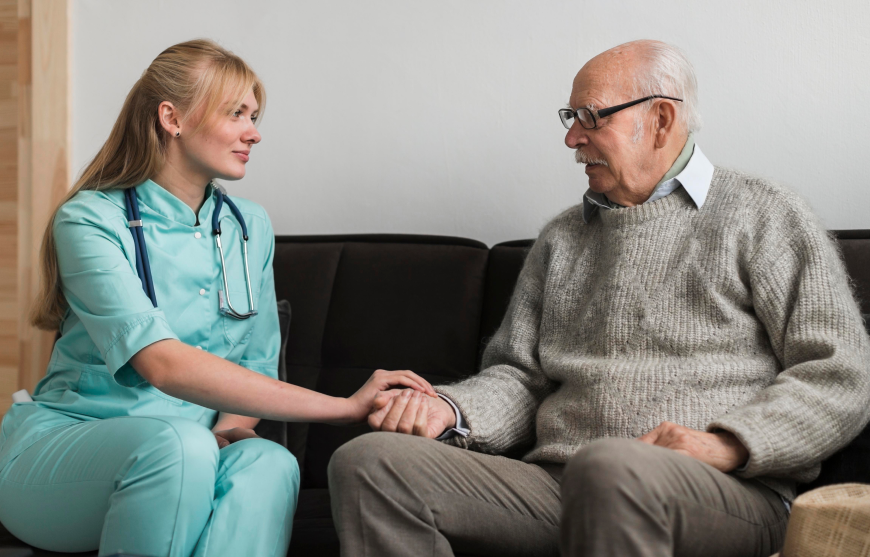
Family members and caregivers play a vital role in supporting stroke survivors through both physical and emotional challenges. Education about stroke care, symptoms, recovery milestones, and potential complications is essential for informed caregiving. Providing encouragement, celebrating small achievements, and maintaining patience fosters a positive recovery environment. Caregivers often assist with daily tasks, transportation to medical appointments, and medication management, ensuring continuity of care. Emotional support is equally important, as stroke survivors may struggle with frustration, anxiety, or mood changes during rehabilitation. Caregivers themselves may face stress or burnout, so accessing support networks, counseling, and respite services is critical for maintaining their well-being. Collaboration with healthcare professionals ensures that both patients and caregivers are equipped with the knowledge, skills, and resources needed for effective long-term stroke care.
Preventing Recurrence and Promoting Wellness
Preventing a secondary stroke requires consistent lifestyle modifications and ongoing medical management. Key strategies include maintaining a heart-healthy diet, engaging in regular exercise, avoiding tobacco and excessive alcohol, and managing chronic conditions such as hypertension, diabetes, and high cholesterol. Regular follow-up appointments with healthcare providers allow monitoring of progress and early detection of potential complications. Medication adherence, including blood thinners, antihypertensives, and cholesterol-lowering drugs, is critical for reducing the risk of another stroke. Utilizing technology, such as wearable devices and mobile health apps, can help track blood pressure, heart rate, and daily activity, providing useful data for both patients and healthcare professionals. Community programs, support groups, and rehabilitation centers offer additional resources for ongoing education and motivation. Focusing on wellness, prevention, and consistent medical supervision greatly enhances the chances of long-term recovery and improved quality of life.
Emerging Trends and Innovations in Stroke Care
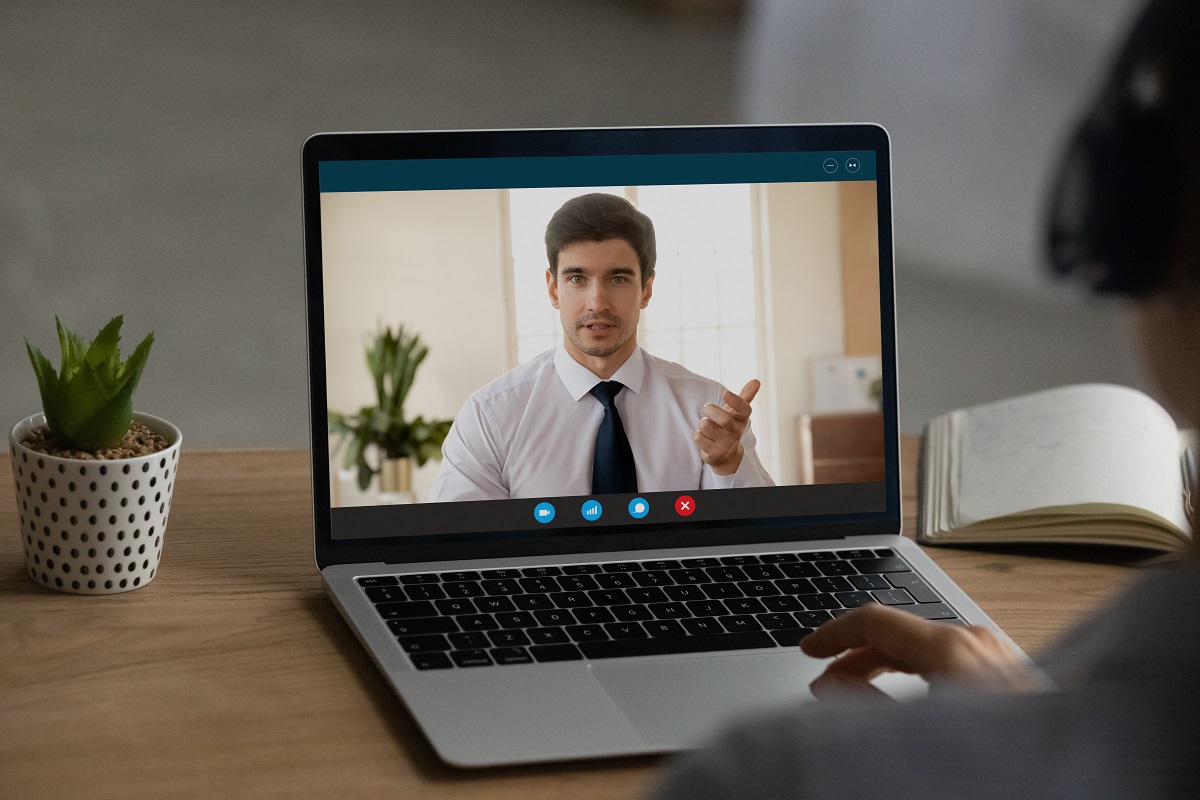
Stroke care is continuously evolving, with technological and medical advancements improving outcomes for survivors. Telemedicine allows remote monitoring, virtual therapy sessions, and immediate access to specialist consultations, especially for patients in rural areas. Robotic-assisted therapy and exoskeleton devices help patients regain mobility and strength more effectively through targeted exercises. Personalized medicine is increasingly used to tailor treatments based on genetic and health profiles, optimizing medication plans and rehabilitation strategies. Neuroplasticity research informs innovative cognitive rehabilitation techniques that enhance brain recovery after injury. Community-based initiatives and digital platforms are offering support networks for patients and caregivers, providing education, guidance, and social engagement opportunities. Integrating these innovations into traditional stroke care helps create a comprehensive and adaptive recovery plan. Ongoing research continues to expand possibilities for faster, safer, and more effective stroke rehabilitation.
Frequently Asked Questions About Stroke Care
- What is the most critical action to take during a stroke?
Calling emergency services immediately is crucial, as early treatment can prevent severe brain damage and improve recovery outcomes. - How long does stroke recovery typically take?
Recovery varies by stroke severity and individual health, often ranging from weeks to several months, with some improvements continuing for years. - Can stroke survivors regain full independence?
Many survivors regain significant independence, but it depends on the type and severity of the stroke, timely treatment, and commitment to rehabilitation. - What are the common emotional challenges after a stroke?
Depression, anxiety, frustration, and mood swings are common and should be addressed with therapy, support groups, or counseling. - Are there support groups available for stroke survivors and caregivers?
Yes, local hospitals, rehabilitation centers, and online communities offer support groups for both survivors and caregivers to share experiences and resources. - How can family members help without feeling overwhelmed?
Setting realistic expectations, sharing caregiving responsibilities, taking breaks, and seeking professional support are essential strategies for preventing burnout.
Takeaway
Stroke care encompasses immediate medical intervention, structured rehabilitation, home support, and long-term strategies to prevent recurrence. The journey requires coordinated efforts from healthcare professionals, caregivers, and family members to maximize recovery and maintain quality of life. Awareness, patience, and proactive engagement in therapy, lifestyle adjustments, and emotional support significantly enhance outcomes. By staying informed, utilizing available resources, and embracing innovations in stroke management, survivors can achieve meaningful recovery and regain independence, while caregivers maintain resilience and confidence in their essential role.