Understanding High Ticket Coaching Sales Closers
High ticket coaching sales closers are specialized sales professionals who focus on closing premium coaching programs that often cost thousands of dollars. Unlike traditional salespeople, these closers are trained to navigate complex decision-making processes, handle high-value objections, and communicate value in a persuasive yet authentic manner. Their role goes beyond selling; they act as consultants, guiding potential clients through the benefits and outcomes of investing in a high-ticket program. One key aspect that sets them apart is their ability to understand the psychology of high-value buyers, including motivations, fears, and long-term goals. High ticket buyers expect personalized attention, transparency, and a clear demonstration of return on investment. Without skilled closers, even the most valuable coaching programs may struggle to reach the right clients. Developing a strong team of high ticket coaching sales closers ensures that your premium offerings consistently convert qualified leads into paying clients, maximizing revenue potential.
Key Traits of Effective High Ticket Coaching Sales Closers
Successful high ticket coaching sales closers share several core traits that enable them to perform at the highest level. First, they possess advanced communication and persuasion skills, allowing them to clearly articulate the benefits of a high-value coaching program. Trust-building is another essential trait, as buyers often invest significant amounts of money only when they feel confident in the person guiding them. Emotional intelligence plays a major role, enabling closers to read client cues, respond empathetically, and navigate sensitive conversations effectively. Additionally, top closers master consultative selling, focusing on solving client problems rather than pushing products. They demonstrate resilience when faced with objections, viewing resistance as an opportunity to clarify value rather than a barrier. A growth-oriented mindset is critical, as high ticket sales require constant refinement of techniques and staying up to date with market trends. By cultivating these traits, high ticket coaching sales closers consistently drive results and maintain long-term client relationships.
Proven Strategies to Close High Ticket Coaching Sales
Closing high ticket coaching sales requires more than a generic sales approach; it demands targeted strategies tailored to premium clients. One effective method is properly qualifying leads to ensure they have the budget, readiness, and motivation to invest in high-ticket programs. Personalizing the offer to address a client’s unique challenges and goals significantly increases the likelihood of conversion. Storytelling is also a powerful tool, as it helps potential clients envision the outcomes they can achieve by investing in the program. Strategic use of urgency and scarcity, when applied ethically, encourages decision-making without feeling pressured. Structuring your high-ticket offerings in clear, value-driven packages makes it easier for clients to understand benefits and return on investment. Offering multiple touchpoints, such as discovery calls, webinars, and follow-ups, ensures consistent engagement and reinforces trust. High ticket coaching sales closers who implement these strategies create an experience that resonates with premium buyers, increasing the probability of successful closes.
Tools and Techniques That Enhance Closing Rates
High ticket coaching sales closers rely on a variety of tools and techniques to maximize performance and track results. Customer Relationship Management (CRM) systems help organize leads, track interactions, and maintain a consistent follow-up schedule, preventing potential clients from slipping through the cracks. Email sequences, combined with personalized messaging, can nurture leads and reinforce value between calls. Role-playing scenarios and continuous skills training sharpen communication and objection-handling abilities, making closers more confident during actual client interactions. Online webinars, demonstrations, and consultative calls provide opportunities to showcase the coaching program’s benefits in a tangible way. Analytics tools allow closers to monitor metrics such as response rates, conversion rates, and engagement levels, enabling data-driven adjustments to sales strategies. Leveraging these resources helps high ticket coaching sales closers stay efficient, organized, and prepared to close deals consistently. With the right mix of technology and human touch, even the most challenging high-ticket sales can become predictable and repeatable.
Overcoming Objections in High Ticket Sales
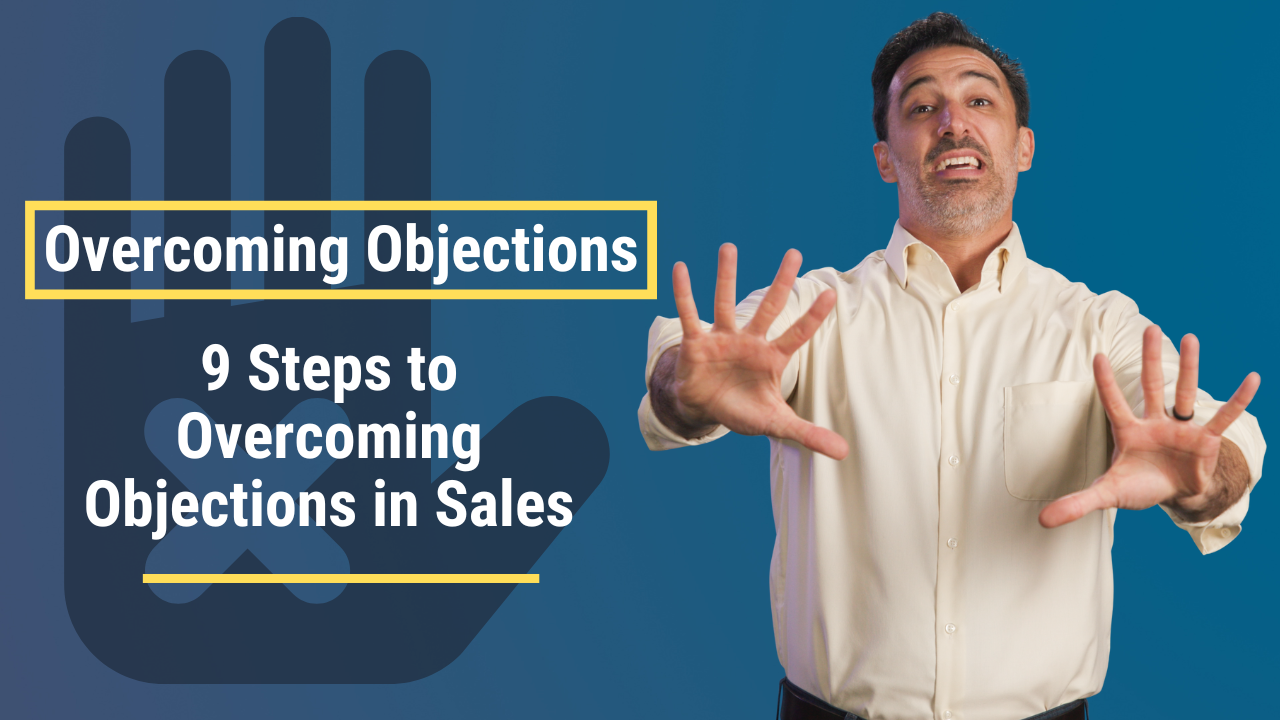
Objection handling is a critical skill for any high ticket coaching sales closer. Potential clients may hesitate due to price, timing, or uncertainty about program outcomes, and how a closer addresses these concerns can make the difference between a sale and a lost opportunity. Skilled closers reframe objections as opportunities to further educate and demonstrate value rather than confront resistance. Active listening ensures that clients feel heard, while thoughtful responses provide reassurance and clarity. Demonstrating confidence, transparency, and professionalism helps build credibility during the negotiation process. Using references to general results, trends, and the proven methodology of the program without relying on detailed stories adds credibility without violating ethical boundaries. A strong closer anticipates objections in advance and has ready responses that focus on benefits and long-term outcomes. By mastering objection handling, high ticket coaching sales closers turn hesitation into informed decision-making, increasing the likelihood of securing premium clients.
Training and Certification for High Ticket Sales Closers
Continuous learning is essential for high ticket coaching sales closers seeking to maintain top performance. Professional courses and certification programs provide structured education in advanced sales techniques, consultative selling, and psychological strategies for high-value buyers. Mentorship from experienced closers allows newcomers to learn practical approaches that go beyond theoretical knowledge. Workshops and live coaching sessions provide hands-on experience, improving confidence and skill application in real-world scenarios. Staying updated on industry trends, client behavior patterns, and emerging tools ensures that closers remain competitive. Ongoing training also emphasizes personal development, such as resilience, emotional intelligence, and communication refinement, which are critical for long-term success. Organizations that invest in training and certifying their high ticket coaching sales closers see measurable improvements in conversion rates, client satisfaction, and revenue growth. Proper education empowers closers to handle complex sales confidently while delivering a premium client experience.
Frequently Asked Questions (FAQ)
1. What exactly does a high ticket coaching sales closer do?
A high ticket coaching sales closer guides potential clients through the decision-making process for premium coaching programs. They focus on building trust, clarifying value, and addressing objections while helping clients see the outcomes of their investment.
2. How much can a high ticket closer earn on average?
Earnings vary widely based on commission structures, program price, and performance. Many high ticket coaching sales closers earn five- to six-figure incomes annually, with top performers exceeding these numbers through consistent high-value closes.
3. How long does it take to become proficient in high ticket sales?
Skill development can take months to years, depending on experience, training, and mentorship availability. Continuous practice, role-playing, and real-world exposure accelerate proficiency.
4. Are high ticket sales techniques different from regular sales techniques?
Yes, high ticket sales require consultative selling, deeper emotional intelligence, and advanced objection handling. Premium buyers expect a tailored experience that addresses specific challenges and goals.
5. What are the biggest mistakes new high ticket closers make?
Common mistakes include not qualifying leads properly, overselling features instead of outcomes, failing to handle objections gracefully, and underestimating the time and effort required to close high-value deals.
High ticket coaching sales closers play a pivotal role in turning premium coaching offers into measurable revenue. Their expertise, strategic approach, and ability to communicate value effectively ensure that clients not only invest in programs but also achieve meaningful outcomes. For coaches and business owners looking to scale with high-value clients, developing a team of skilled closers and implementing structured strategies is a key factor in sustained growth and profitability.
Takeaway: Investing in professional high ticket coaching sales closers and equipping them with the right strategies, tools, and ongoing training is essential for maximizing revenue, building client trust, and scaling a high-value coaching business.