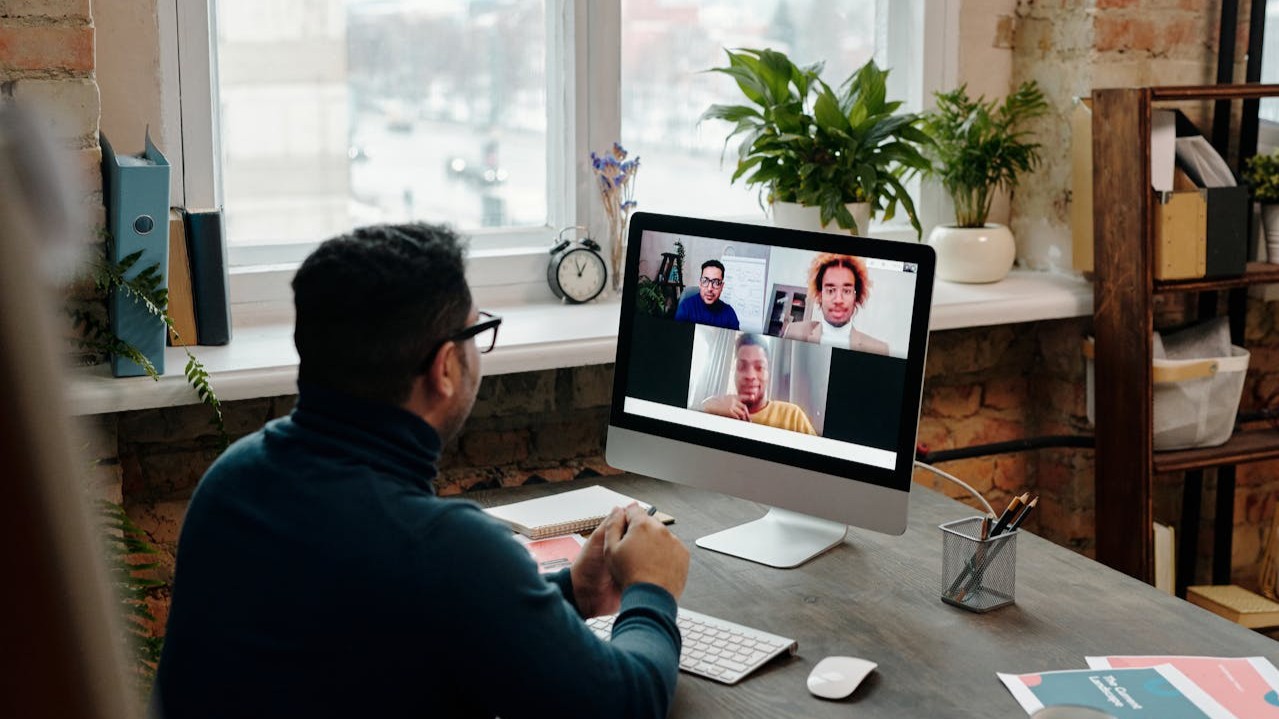
The world of sales has evolved dramatically over the last decade, and the rise of digital business models has created a new high-income career path: the remote high ticket closing job. This role focuses on closing premium deals for products or services, often ranging from thousands to even tens of thousands of dollars per transaction. Unlike traditional sales positions, remote high ticket closers operate virtually, leveraging advanced communication tools and personalized strategies to engage high-value clients. Companies across industries are increasingly outsourcing this role to skilled professionals who can generate significant revenue without being physically present. The flexibility and earning potential make this position highly attractive for those looking to combine financial growth with remote work freedom.
Remote high ticket closing is not just about selling; it’s about building trust, understanding client needs, and guiding them toward transformative decisions. Professionals in this field often manage complex sales processes, handle objections, and customize solutions for each client. Because the stakes are high, companies prioritize closers who demonstrate exceptional communication, persuasion, and relationship-building skills. For ambitious sales professionals, mastering this role can lead to a sustainable, high-paying remote career.
Understanding Remote High Ticket Closing
A remote high ticket closing job involves negotiating and finalizing high-value deals from a virtual environment. The “high ticket” aspect refers to products or services with significant price points, often in the thousands or higher. The primary goal is not just to sell but to ensure that the client feels confident and satisfied with their purchase. This requires an advanced understanding of sales psychology, strategic questioning, and active listening. Unlike standard sales roles, remote closers focus on fewer clients but with much higher deal values, making every interaction crucial.
Operating remotely adds both flexibility and responsibility. Closers must manage their schedules efficiently, coordinate with marketing or lead generation teams, and maintain constant communication with clients through video calls, emails, and messaging platforms. The rise of online businesses and digital services has dramatically increased demand for remote high ticket closers, as companies recognize the efficiency and scalability of this model. Professionals who excel in this role can enjoy autonomy, work-life balance, and commissions that significantly outpace traditional sales positions.
Key Skills Required for Remote High Ticket Closers
Success in a remote high ticket closing job depends on a combination of technical skills, emotional intelligence, and personal discipline. Communication is at the core, as remote closers must articulate value clearly and persuasively in virtual environments. They also need strong negotiation skills, knowing when to push and when to pull back to secure deals without damaging relationships.
Emotional intelligence plays a critical role in understanding client motivations, handling objections, and building trust. Remote closers must also master persuasive storytelling, creating compelling narratives around the product or service. Organizational skills are essential, as managing multiple high-value clients requires efficient scheduling, follow-ups, and pipeline management. Familiarity with technology tools, such as CRM platforms, video conferencing software, and analytics dashboards, enables closers to operate efficiently and track performance. Continuous learning through sales training and mentorship further enhances a closer’s ability to succeed in this competitive field.
Typical Responsibilities of a Remote High Ticket Closer
Remote high ticket closers carry out a series of structured responsibilities to ensure each deal is executed successfully. Their work typically begins with reviewing leads generated by marketing or business development teams. They then engage prospects through calls, video meetings, and emails, uncovering pain points and identifying opportunities for a premium solution.
Key responsibilities include:
-
Managing the entire sales process from first contact to signed agreement
-
Building relationships and establishing trust with high-value clients
-
Addressing objections and concerns effectively while maintaining professionalism
-
Collaborating with internal teams to align solutions with client needs
-
Tracking sales metrics and reporting on performance to leadership
-
Following up consistently to maintain engagement and secure decisions
-
Continuously refining sales strategies to improve conversion rates
Remote closers must be proactive, detail-oriented, and adaptable to shifting client priorities. Each interaction requires precision and empathy, as high ticket deals often involve multiple decision-makers and complex contracts.
Earning Potential and Compensation Models
One of the most appealing aspects of a remote high ticket closing job is its earning potential. Compensation structures vary but typically include commissions, base salary plus commission, or performance-based bonuses. High ticket deals offer significant financial rewards, sometimes exceeding what traditional sales roles can provide in a year.
Factors that influence income include:
-
Deal size and product/service pricing
-
Individual experience and track record
-
Industry demand and niche specialization
-
Geographic market and client base
-
Efficiency and conversion rate of the closer
Experienced remote high ticket closers can earn substantial monthly commissions, often surpassing six figures annually. For ambitious sales professionals, the role provides an opportunity to scale income quickly without geographic limitations.
How to Find Legitimate Remote High Ticket Closing Jobs
Finding genuine opportunities requires strategy and caution. Many platforms and agencies hire remote high ticket closers, but the field also attracts scams and misleading offers. Identifying legitimate positions involves verifying company credibility, reviewing client portfolios, and researching payment structures.
Effective strategies include:
-
Leveraging LinkedIn to connect with remote sales recruiters and companies
-
Joining professional sales groups or communities for referrals and networking
-
Researching agencies specializing in high-value client engagement
-
Checking reviews and testimonials from current or past employees
-
Developing a strong personal brand showcasing remote sales expertise
Consistency in job searches, networking, and professional presentation is critical. Remote high ticket closers with a strong reputation can secure higher-quality clients and recurring contracts.
Strategies for Excelling as a Remote High Ticket Closer
Excellence in this field comes from mastering the art and science of remote selling. Developing a personalized pitch for each client ensures relevance and increases the likelihood of closing high-value deals. Consistent follow-ups are crucial to keep clients engaged without appearing aggressive.
Sales psychology techniques, such as understanding buyer motivations, creating urgency, and leveraging social proof, significantly improve conversion rates. Continuous skill development through courses, mentorships, and industry research helps closers stay ahead of competitors. Leveraging technology, such as CRM systems and analytics tools, allows for data-driven decisions and better pipeline management. High-performing remote closers balance persistence, empathy, and strategy to achieve outstanding results.
Challenges Faced by Remote High Ticket Closers
Working remotely in high ticket sales is rewarding but comes with unique challenges. Clients can be skeptical when interactions are fully virtual, requiring closers to establish trust quickly. Isolation and lack of in-person support can affect motivation and productivity. Managing time zones and communication across global clients adds complexity.
Other challenges include:
-
Navigating rejection in high-stakes sales without losing confidence
-
Balancing multiple complex deals simultaneously
-
Maintaining consistent performance metrics
-
Staying updated with market trends and competitor offerings
Successful closers develop resilience, self-discipline, and problem-solving skills to overcome these obstacles. Recognizing these challenges early enables professionals to implement strategies that mitigate risk and maximize success.
Tools and Resources to Boost Remote High Ticket Sales
Technology plays a central role in a remote high ticket closing job. CRM software is essential for tracking leads, managing client interactions, and monitoring sales performance. Video conferencing platforms enable face-to-face communication that builds rapport and trust. Analytics tools provide insights into sales pipelines, client behavior, and conversion trends.
Additional resources for professional growth include:
-
Online sales training and negotiation courses
-
Mentorship programs from experienced closers
-
Digital networking platforms and forums for remote sales professionals
-
Automated email and follow-up systems
-
Presentation and proposal software to enhance client engagement
Using these tools effectively enhances productivity, improves client relationships, and ultimately increases deal closures.
Building a Long-Term Career in Remote High Ticket Closing
Remote high ticket closing offers long-term career opportunities beyond individual deals. Professionals can scale from freelance roles to agency positions or corporate sales teams. Establishing expertise in a niche allows closers to command higher rates and secure repeat clients. Multiple income streams can be generated by combining consulting, coaching, and closing services.
The future of remote high ticket closing looks promising, with trends pointing toward AI-assisted sales, automation, and global digital marketplaces. Professionals who adapt to technological advancements and continuously refine their skills will remain highly competitive. Developing a reputation for reliability, results, and professionalism ensures long-term success in this dynamic field.
FAQ
What is a remote high ticket closing job?
A remote high ticket closing job involves selling high-value products or services entirely online, focusing on securing premium deals without in-person interaction.
Do I need prior sales experience to start?
While experience helps, beginners can succeed with proper training, mentorship, and dedication to developing essential sales and communication skills.
Can I earn a full-time income working remotely as a high ticket closer?
Yes, many remote closers earn six-figure incomes annually, especially those working with high-value products and repeat clients.
Which industries pay the most for high ticket closers?
Industries like SaaS, digital marketing, coaching/consulting, luxury goods, and real estate typically offer the highest-paying opportunities.
How do I avoid scams in remote high ticket closing?
Research companies thoroughly, verify client testimonials, and avoid offers that promise guaranteed earnings without effort or training.
What tools are essential for remote high ticket closers?
CRMs, video conferencing software, analytics dashboards, email automation tools, and digital proposal software are all critical for success.
Takeaway
A remote high ticket closing job combines high earning potential, flexibility, and the opportunity to work with premium clients worldwide. Success depends on mastering communication, negotiation, and relationship-building skills, while leveraging technology to manage leads and track performance. With determination, continuous learning, and the right strategies, remote high ticket closers can build sustainable and rewarding careers that provide both financial freedom and professional growth.