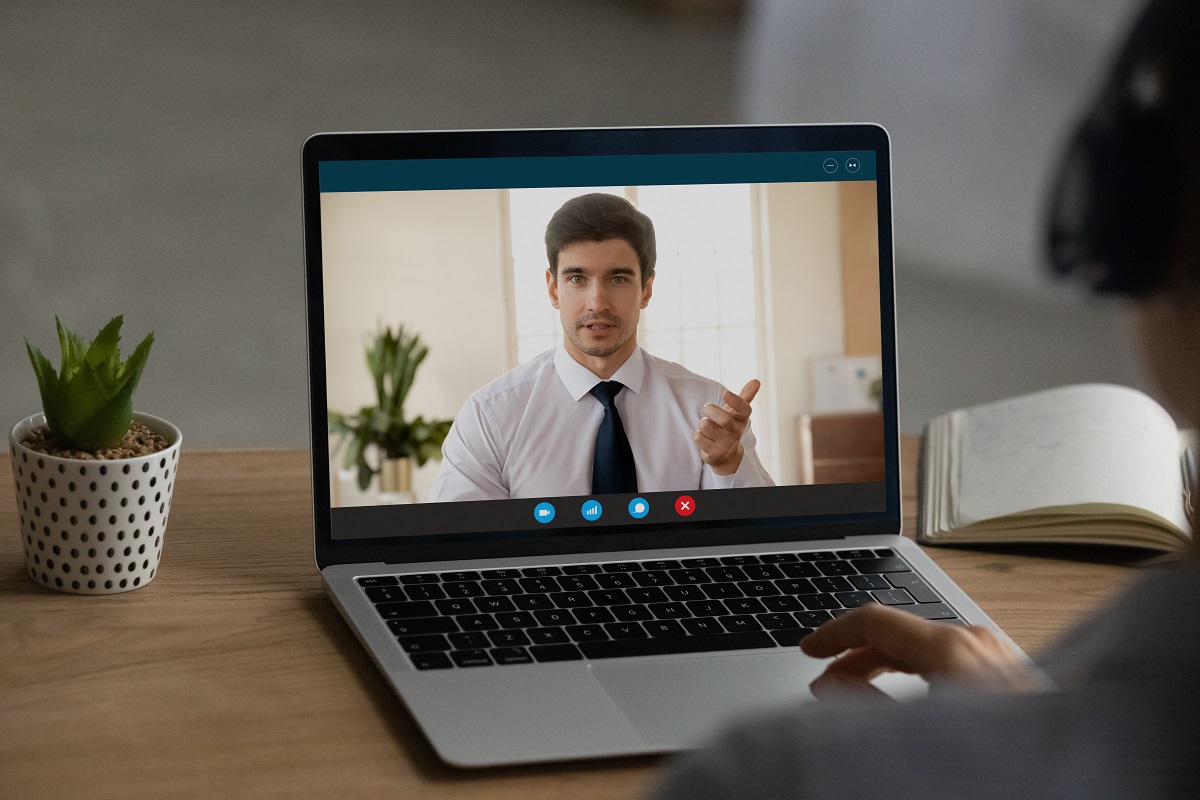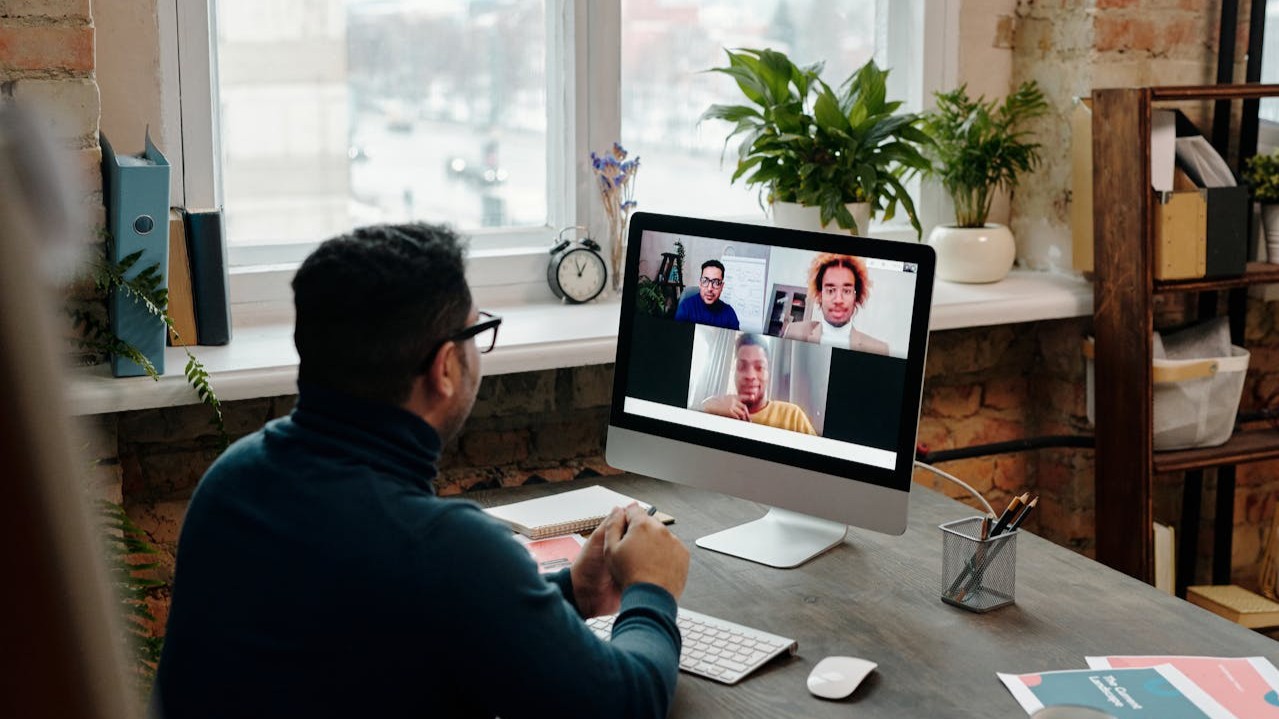
Businesses across the world are changing the way they sell products and services. Remote work has opened opportunities for companies to connect with skilled professionals regardless of location, and this shift has fueled the demand for virtual sales closers. Companies in the USA, UK, Canada, Australia, UAE, Singapore, and many other countries are investing heavily in remote sales teams to improve conversion rates while reducing operational costs. Virtual sales closers are becoming essential for brands that sell high-ticket offers because they provide personalized sales conversations without requiring physical meetings. Modern buyers now prefer convenience, fast communication, and flexible online interactions, making remote sales closing more valuable than ever before. Businesses that fail to adapt to this digital sales environment often struggle to compete in highly competitive industries. As more companies embrace online selling, virtual sales closers continue to shape the future of high-ticket sales growth.
Why Businesses Are Turning to Virtual Sales Closers
The rise of digital business models has dramatically changed the sales industry. Companies no longer depend entirely on local office teams because remote technology allows businesses to hire top-performing sales professionals worldwide. Virtual sales closers help companies handle inbound leads, conduct online presentations, and close deals through video calls, phone calls, and messaging platforms. This approach allows businesses to maintain a steady sales pipeline while keeping expenses manageable. Many organizations are also discovering that remote sales teams can operate more efficiently because they often have flexible schedules and access to advanced digital tools. Businesses selling coaching programs, software solutions, consulting services, and online education programs benefit greatly from virtual closing systems. High-ticket sales require trust and relationship-building, and skilled remote closers are trained to create meaningful connections even in virtual environments.
The growing popularity of remote sales is also linked to consumer behavior changes. Buyers now spend more time researching products online before speaking with sales representatives. By the time prospects join a sales call, they expect detailed information, professionalism, and personalized solutions. Virtual sales closers are specifically trained to guide prospects through these conversations effectively. Their ability to address objections and build confidence remotely helps businesses increase conversion rates. Companies that embrace this strategy often experience faster growth because they can scale their sales operations globally without opening physical offices in multiple countries.
What Virtual Sales Closers Actually Do
Virtual sales closers are responsible for turning interested leads into paying customers. They communicate with prospects through virtual meetings, phone calls, emails, and CRM systems to move potential buyers through the sales process. Unlike traditional sales representatives who may focus heavily on cold outreach, virtual closers typically handle warm leads who already expressed interest in a product or service. Their role is to identify the prospect’s needs, explain the value of the offer, and encourage confident buying decisions.
A typical virtual sales closer spends much of the day managing appointments, conducting discovery calls, and following up with leads. These professionals are skilled at identifying pain points and positioning solutions that match customer goals. Their communication style is often consultative rather than aggressive because modern consumers prefer authentic conversations over high-pressure sales tactics. Businesses rely on virtual closers to maintain strong client relationships while keeping the sales process organized and efficient.
Key responsibilities often include:
-
Conducting virtual discovery calls
-
Qualifying inbound leads
-
Handling sales objections professionally
-
Managing customer relationships remotely
-
Following up with prospects consistently
-
Closing high-ticket offers through online communication
-
Updating CRM systems and sales pipelines
Virtual sales closers also work closely with marketing teams to improve lead quality and customer targeting. Since remote sales environments rely heavily on digital communication, closers often collaborate with appointment setters, marketing strategists, and customer support teams to improve the overall buyer journey.
Industries That Benefit Most From Virtual Sales Closers
Several industries rely heavily on virtual sales closers because their business models require relationship-driven sales conversations. Coaching and consulting businesses are among the largest users of remote closers because high-ticket coaching programs often require personalized discussions before clients commit financially. Software companies also benefit significantly because SaaS products frequently involve product demonstrations and onboarding explanations that virtual closers can handle efficiently.
Real estate professionals increasingly use virtual sales closers to manage international buyers and investors. This approach allows agents and brokers to communicate with potential clients worldwide without geographical limitations. Digital marketing agencies also hire remote closers to convert leads generated through advertising campaigns and webinars. E-commerce brands that sell premium products or services use virtual sales teams to provide customized buying experiences that improve customer confidence.
Industries commonly using virtual sales closers include:
-
SaaS and software companies
-
Coaching and consulting businesses
-
Real estate agencies
-
Financial services providers
-
Online education platforms
-
Digital marketing agencies
-
Health and wellness programs
-
Luxury product brands
These industries value virtual closers because they help create scalable sales systems while maintaining personalized communication. Businesses that sell premium services often require longer sales cycles, making relationship-building skills especially important in remote sales environments.
Key Skills Every Virtual Sales Closer Must Have
Virtual sales closers need a combination of technical knowledge and strong interpersonal skills. Communication is one of the most important abilities because remote selling depends heavily on voice tone, listening skills, and clear explanations. Skilled closers know how to ask thoughtful questions that uncover customer needs and motivations. They understand how to build trust even when interacting entirely online.
Sales psychology is another essential skill. Buyers often hesitate before making high-ticket purchases, and virtual closers must understand emotional triggers that influence decision-making. Effective closers know how to handle objections without sounding defensive or pushy. They focus on helping prospects feel comfortable and informed throughout the buying process. Confidence and professionalism are critical because remote interactions leave little room for uncertainty.
Technology proficiency also plays a major role in remote sales performance. Virtual sales closers use CRM systems, scheduling software, video conferencing platforms, and communication tools daily. Professionals who can navigate these systems efficiently are more productive and organized. Time management is equally important because remote closers frequently work with clients in multiple time zones. Strong organizational habits help them manage appointments, follow-ups, and pipeline activities consistently.
How Virtual Sales Closers Increase Revenue for Businesses
Businesses hire virtual sales closers primarily because they improve revenue generation. A skilled closer can dramatically increase conversion rates by guiding prospects through personalized sales conversations. High-ticket sales often require trust-building and detailed explanations, which experienced remote closers provide effectively. Businesses that rely only on automated systems may struggle to convert leads because many buyers still prefer human interaction before making major purchases.
Virtual sales closers also help companies reduce operational expenses. Remote teams eliminate many overhead costs associated with physical office spaces, equipment, and local recruitment. Companies can hire talented closers globally, allowing them to access experienced professionals at competitive rates. This flexibility gives businesses the ability to scale quickly without large upfront investments.
Revenue growth benefits include:
-
Higher lead conversion rates
-
Improved customer retention
-
Faster response times for inbound inquiries
-
Reduced operational expenses
-
Increased global market reach
-
Better customer experiences during sales calls
-
More efficient sales processes
Another major advantage is scalability. Businesses expanding internationally can use virtual closers to support clients in different countries without opening local branches. This strategy helps brands enter new markets while maintaining consistent sales performance across regions.
The Difference Between Virtual Sales Closers and Traditional Sales Representatives
Traditional sales representatives often rely heavily on face-to-face meetings and local networking opportunities. Virtual sales closers, however, operate entirely online and use digital communication platforms to manage client relationships. This remote approach allows businesses to reach broader audiences and respond faster to customer inquiries. Buyers today appreciate the convenience of online consultations because they can attend meetings from home or work without travel requirements.
Virtual sales closers are also more focused on high-ticket relationship-based selling. Transactional sales representatives may prioritize quick purchases, while remote closers spend more time understanding client needs and offering customized solutions. Their conversations often involve deeper discovery processes and personalized presentations designed to build trust. This consultative approach is especially valuable in industries where customers invest significant amounts of money.
Performance metrics also differ between these roles. Virtual closers are usually evaluated based on conversion rates, revenue generated, appointment attendance, and customer satisfaction. Since remote selling relies heavily on digital tools, managers can monitor sales activities and performance data more efficiently. This level of tracking helps businesses identify strengths and weaknesses within their sales systems quickly.
Essential Tools Used by Successful Virtual Sales Closers
Technology is at the center of every successful virtual sales operation. CRM systems help closers organize prospect information, manage pipelines, and track customer interactions. Video conferencing platforms allow businesses to conduct professional sales presentations remotely, making communication more personal and engaging. Scheduling software also simplifies appointment booking, reducing delays and improving efficiency.
Automation tools play an important role in follow-up processes. Consistent follow-up is critical in high-ticket sales because many prospects need multiple conversations before making decisions. Automated reminders, email sequences, and task management systems help closers maintain communication without missing opportunities. Analytics dashboards provide insights into conversion rates, sales trends, and customer behavior, allowing businesses to improve performance continuously.
Popular tools often include:
-
CRM software platforms
-
Video conferencing applications
-
Sales automation systems
-
Appointment scheduling tools
-
Performance analytics dashboards
-
Internal communication platforms
-
Call recording and review software
Businesses that invest in the right technology create smoother sales experiences for both closers and customers. Efficient systems reduce administrative workload and allow sales professionals to focus more on relationship-building and revenue generation.
How to Hire the Right Virtual Sales Closers
Hiring the right virtual sales closers requires careful evaluation. Businesses should prioritize candidates with strong communication skills, confidence, and proven experience in high-ticket sales. Remote selling demands self-discipline because closers often work independently without direct supervision. Companies should look for professionals who can manage their schedules effectively while maintaining consistent performance.
Interview processes should focus on both personality and technical skills. Employers often ask candidates about objection-handling techniques, sales methodologies, and experience using CRM systems. Roleplay scenarios are also useful because they reveal how candidates communicate under pressure. Businesses should pay attention to listening skills, adaptability, and professionalism during these evaluations.
Warning signs during recruitment may include poor communication habits, lack of measurable sales results, or inconsistent follow-up processes. Businesses should also decide whether they need freelance closers or dedicated remote sales teams. Freelancers offer flexibility for short-term projects, while full-time teams provide greater consistency and long-term alignment with company goals.
Training Strategies for Virtual Sales Closers
Even experienced sales professionals benefit from ongoing training. Businesses that invest in continuous coaching often see stronger conversion rates and improved customer experiences. Training programs should focus on communication techniques, objection handling, and relationship-building strategies. Roleplay exercises are particularly effective because they allow closers to practice real-world scenarios in controlled environments.
Sales scripts can also improve consistency without making conversations sound robotic. The best scripts provide structure while allowing closers to adapt naturally to each prospect’s needs. Managers should regularly review sales calls to identify strengths and areas for improvement. Constructive feedback helps closers refine their communication style and increase confidence during high-pressure conversations.
Important training areas include:
-
Discovery call frameworks
-
Active listening techniques
-
Emotional intelligence in sales
-
Handling objections naturally
-
Closing high-ticket offers confidently
-
CRM and sales software training
-
Time management strategies
Companies that prioritize coaching create stronger remote sales cultures. Skilled closers who receive consistent support are more likely to stay motivated and deliver high-level performance.
Common Challenges Virtual Sales Closers Face
Remote sales environments offer many benefits, but they also come with challenges. Building trust without face-to-face interaction can be difficult, especially when selling high-ticket offers. Virtual closers must rely heavily on communication skills, professionalism, and emotional intelligence to create authentic relationships online. Prospects may initially feel hesitant about making large purchases remotely, making trust-building especially important.
Managing international clients across multiple time zones is another challenge. Businesses operating globally often require closers to maintain flexible schedules to accommodate prospects in the USA, UK, Canada, Australia, UAE, Singapore, and other markets. Cultural differences may also influence communication styles and buying behaviors, requiring adaptability from remote sales professionals.
Burnout can become an issue for virtual closers who spend long hours handling calls and follow-ups. Remote work environments sometimes blur the line between personal and professional life. Businesses can reduce burnout by encouraging healthy schedules, offering regular breaks, and creating supportive team cultures. Maintaining motivation is essential because sales performance often depends heavily on mindset and energy levels.
Future Trends Shaping Virtual Sales Closers
The future of virtual sales closers looks highly promising as businesses continue investing in digital sales systems. Artificial intelligence is beginning to support lead qualification, customer insights, and predictive sales forecasting. AI tools can analyze customer behavior and recommend follow-up strategies, helping closers improve efficiency without replacing human interaction entirely.
Personalization will also become increasingly important in remote sales. Buyers expect tailored experiences that address their specific needs and goals. Virtual closers who use customer data effectively will have a significant advantage in competitive industries. Businesses are also expanding remote-first operations, creating even greater demand for skilled virtual sales professionals worldwide.
Emerging trends include:
-
AI-assisted sales processes
-
Increased remote hiring worldwide
-
Personalized customer experiences
-
Advanced sales analytics tools
-
Greater demand for multilingual closers
-
Expansion of high-ticket online businesses
-
Hybrid automation and human sales systems
As technology evolves, virtual sales closers will remain valuable because human connection continues to influence buying decisions. Businesses that combine advanced tools with skilled sales professionals are likely to dominate competitive markets in the years ahead.
FAQ About Virtual Sales Closers
What are virtual sales closers?
Virtual sales closers are remote sales professionals who help businesses convert leads into paying customers through online communication channels such as video calls, phone calls, and messaging platforms.
How do virtual sales closers work remotely?
They use CRM systems, video conferencing software, and digital communication tools to conduct sales conversations, follow up with prospects, and manage customer relationships online.
What industries hire virtual sales closers the most?
Industries such as coaching, consulting, SaaS, real estate, online education, and digital marketing commonly hire virtual sales closers.
Are virtual sales closers effective for high-ticket sales?
Yes, skilled virtual sales closers are highly effective for high-ticket offers because they focus on relationship-building, personalized communication, and objection handling.
What tools do virtual sales closers use daily?
They commonly use CRM platforms, video conferencing software, scheduling systems, analytics dashboards, and sales automation tools.
Can virtual sales closers work with international clients?
Yes, many virtual sales closers support businesses globally, including clients in the USA, UK, Canada, Australia, UAE, Singapore, and other international markets.
How can businesses train remote sales closers effectively?
Businesses can provide roleplay exercises, ongoing coaching, call reviews, CRM training, and structured sales frameworks to improve performance.
What is the difference between a sales setter and a virtual sales closer?
Sales setters typically book appointments and qualify leads, while virtual sales closers focus on conducting sales calls and converting prospects into customers.
Takeaway
Virtual sales closers have become essential for businesses seeking scalable growth in the digital economy. Their ability to build relationships, manage high-ticket conversations, and convert leads remotely gives companies a powerful advantage in competitive industries. Businesses worldwide are embracing remote sales systems because they provide flexibility, lower operational costs, and access to global talent. Skilled virtual sales closers combine communication expertise, sales psychology, and technology proficiency to create personalized customer experiences that drive revenue growth. As online business models continue expanding across the USA, UK, Canada, Australia, UAE, Singapore, and other global markets, the demand for professional virtual sales closers will continue rising. Companies that invest in remote sales strategies today position themselves for stronger customer engagement, broader market reach, and long-term business growth.