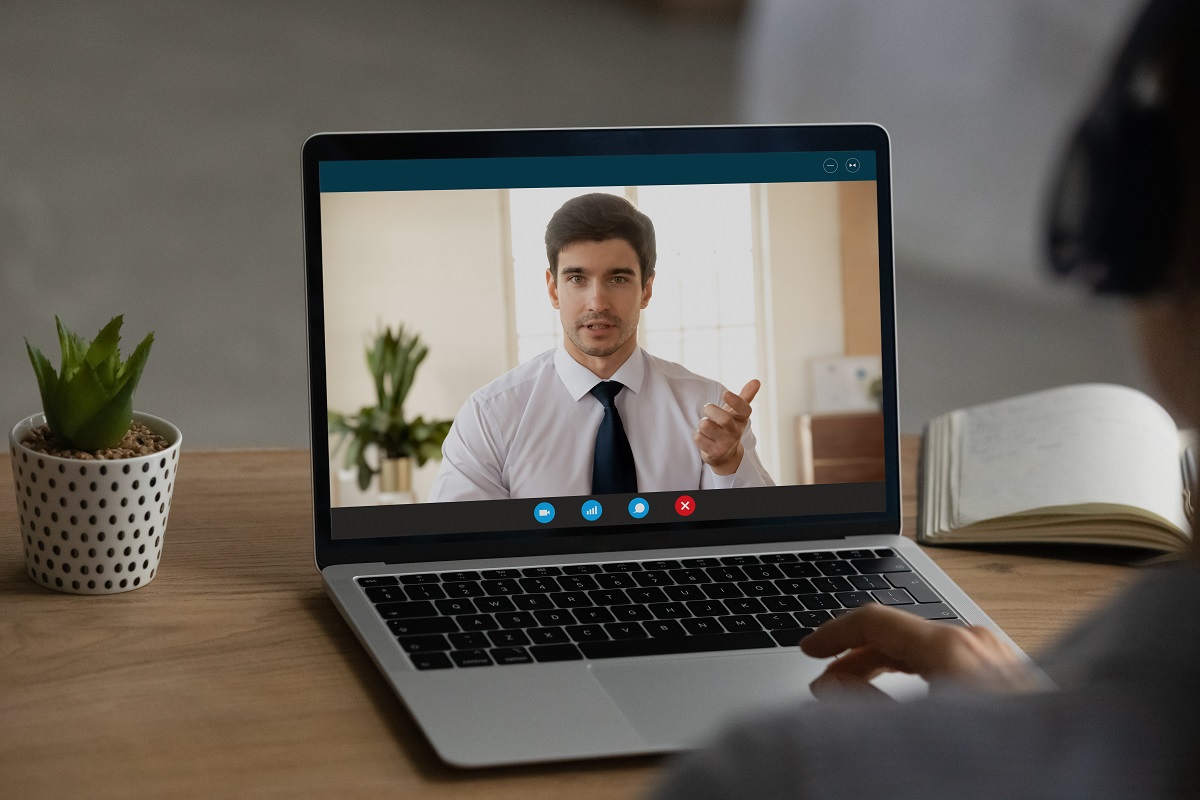
Understanding the Remote High Ticket Closing Job Landscape
The remote high ticket closing job has become one of the most talked-about career paths in modern digital sales. It focuses on selling premium-priced products or services through remote communication channels rather than in-person meetings. These offers are typically high-value programs such as coaching packages, software subscriptions, or business consulting services. Companies rely on closers because they need skilled communicators who can convert qualified leads into paying clients without relying on traditional storefront sales. The entire system is built around trust-based conversations and structured sales processes. As businesses continue to shift online, the demand for remote closers continues to grow across multiple industries.
A remote high ticket closing job is not just about selling; it is about guiding potential clients through decision-making. The role requires understanding client goals, identifying problems, and positioning solutions that align with those needs. Unlike low-ticket sales, where volume matters more, high ticket sales prioritize quality conversations. This makes the role both challenging and rewarding for those who master it. Many companies now operate fully remote sales teams spread across different time zones. This allows organizations to scale without geographic limitations while offering professionals location flexibility.
The industries that commonly use remote closers include:
-
Online coaching and mentorship programs
-
SaaS and digital tools providers
-
Business consulting agencies
-
Personal development and fitness programs
-
Financial education companies
Each of these industries relies on strong communication and persuasion skills rather than physical presence. This shift has created global opportunities for individuals who want to work remotely while earning performance-based income.
How Remote High Ticket Closing Jobs Operate
A remote high ticket closing job operates within a structured sales funnel that begins long before a closer speaks to a prospect. Most companies generate leads through advertising, webinars, or content marketing. Once a lead shows interest, they are typically booked into a call with a closer or appointment setter. The closer then steps in to guide the conversation and determine whether the offer is a good fit. This process ensures that only qualified prospects reach the closing stage.
The workflow is designed to maximize efficiency and conversion rates. Closers do not spend time cold prospecting; instead, they focus on high-intent conversations. These conversations often take place over Zoom or phone calls, allowing real-time interaction. The goal is to understand the prospect’s situation deeply and align it with the product’s value.
A typical structure in this job includes:
-
Lead qualification before the call
-
Structured discovery conversations
-
Needs assessment and goal identification
-
Offer presentation based on fit
-
Objection handling and clarity building
-
Final decision support and enrollment
Each step plays a critical role in guiding the prospect toward a confident decision. The process is highly strategic and depends on emotional intelligence as much as technical sales skills.
Core Responsibilities of a Remote High Ticket Closing Job
The responsibilities of someone in a remote high ticket closing job go beyond simply asking for a sale. A closer is expected to build trust quickly and maintain a professional yet conversational tone throughout the interaction. Every conversation is different, requiring adaptability and strong listening skills. The role also involves understanding the psychology behind buying decisions and using that knowledge ethically.
Closers must be able to handle objections without applying pressure. Instead of pushing a sale, they help prospects clarify their own thinking. This makes the job more consultative than transactional. Performance is measured by conversion rates and revenue generated rather than hours worked.
Key responsibilities include:
-
Running structured sales conversations with qualified leads
-
Identifying emotional and logical buying triggers
-
Presenting offers clearly and confidently
-
Handling objections with empathy and logic
-
Maintaining accurate CRM updates and notes
-
Following up with undecided prospects when needed
Each responsibility contributes to building a smooth and effective sales process. Success depends on consistency and the ability to refine communication skills over time.
Essential Skills Required for Remote High Ticket Closing Jobs
Success in a remote high ticket closing job requires a combination of communication, psychology, and discipline. While some people assume sales is purely natural talent, the reality is that it is a learnable skill set. The best closers are those who continuously improve their craft and adapt to different buyer personalities. Emotional intelligence plays a major role in understanding client motivations.
Strong listening skills are just as important as speaking ability. A closer must be able to pick up subtle cues and adjust their approach accordingly. Confidence also plays a significant role, especially when discussing high-value offers. Without confidence, prospects may hesitate or lose trust in the conversation.
Essential skills include:
-
Active listening and conversational flow control
-
Emotional intelligence and empathy
-
Strategic questioning techniques
-
Objection handling without aggression
-
Confidence in presenting premium offers
-
Time management and remote discipline
These skills allow closers to navigate complex conversations and build trust quickly, even with strangers.
Income Potential in Remote High Ticket Closing Careers
The remote high ticket closing job is often associated with high-income potential because it is commission-based. Instead of earning a fixed salary, closers earn a percentage of each sale they close. Since products can range from thousands to tens of thousands of dollars, commissions can be significant. However, income varies depending on experience, industry, and performance consistency.
Beginners may start with modest earnings while learning the process. Experienced closers who consistently perform well can earn substantial monthly income. The key factor is conversion rate and deal size rather than working hours. This creates an environment where performance directly impacts earnings.
Income influences include:
-
Size of the product or service sold
-
Commission structure offered by the company
-
Number of qualified leads received
-
Individual conversion performance
-
Industry demand and pricing strategy
This model rewards skill development and consistency, making it attractive to motivated individuals seeking performance-based careers.
Tools and Technology Used in Remote High Ticket Closing Jobs
Technology plays a major role in supporting the remote high ticket closing job. Since closers work remotely, they rely heavily on digital tools to communicate, track leads, and manage pipelines. These tools ensure that no opportunity is missed and that every prospect is properly followed up.
CRM systems are especially important because they organize lead information and sales progress. Video conferencing tools allow real-time communication, which is essential for building trust. Scheduling platforms also help coordinate calls across different time zones.
Common tools include:
-
Customer Relationship Management systems
-
Video conferencing platforms like Zoom
-
VoIP calling software
-
Automated scheduling tools
-
Sales tracking dashboards
-
Email and messaging platforms
These tools create structure and efficiency in remote environments. Without them, managing high volumes of leads would be extremely difficult.
How to Get Started in a Remote High Ticket Closing Job
Entering a remote high ticket closing job does not always require prior experience, but it does require preparation. Many beginners start by learning sales fundamentals and practicing communication skills. Some transition from appointment setting or customer service roles. Others enter directly through training programs or mentorship opportunities.
Building credibility is important when starting out. Even without experience, candidates can demonstrate understanding through practice and training. Networking also plays a key role in finding opportunities, especially in online business communities.
Steps to begin include:
-
Learning basic sales and communication principles
-
Practicing role-play conversations
-
Studying buyer psychology
-
Joining sales communities online
-
Applying to entry-level closing opportunities
-
Building a simple sales portfolio
With consistent effort, beginners can transition into paid remote closing roles within a reasonable timeframe.
Training and Skill Development Pathways
Training is a critical part of succeeding in a remote high ticket closing job. Most professionals improve through structured learning and real-world practice. Many companies provide onboarding programs, but self-development is equally important. The best closers continuously refine their approach based on feedback and performance.
Mentorship can accelerate learning significantly. Working with experienced closers helps beginners understand real-world scenarios faster. Practice through role-playing is also widely used to simulate sales conversations.
Development methods include:
-
Sales coaching programs
-
Mentorship from experienced closers
-
Daily role-play sessions
-
Studying recorded sales calls
-
Learning objection handling frameworks
-
Practicing real-time communication skills
Continuous improvement is a defining factor in long-term success.
Daily Workflow of a Remote High Ticket Closing Job
A typical day in a remote high ticket closing job is structured around scheduled sales calls and preparation activities. Closers often start by reviewing their pipeline and understanding the prospects they will speak with. Preparation is important because each conversation requires context awareness. After calls, notes are updated in CRM systems for tracking and follow-up.
The job is highly performance-focused, meaning productivity is measured by results rather than hours worked. Time management is essential to maintain focus and consistency. Breaks between calls are often used for mental reset and preparation.
Daily workflow activities include:
-
Reviewing lead information before calls
-
Conducting live sales conversations
-
Updating CRM records after each interaction
-
Following up with warm leads
-
Reviewing personal performance metrics
This structure ensures that every opportunity is maximized efficiently.
Industries Actively Hiring Remote High Ticket Closers
Several industries rely heavily on remote high ticket closing job professionals. These industries typically sell high-value digital products or services that require trust-based selling. The demand continues to grow as online business models expand globally.
Industries include:
-
Online education and coaching programs
-
SaaS companies and software providers
-
Business consulting firms
-
Fitness and transformation programs
-
Financial education platforms
-
Marketing agencies offering premium services
Each industry values closers who can communicate value clearly and build trust quickly.
Challenges in Remote High Ticket Closing Jobs
While the remote high ticket closing job offers strong income potential, it also comes with challenges. One of the biggest challenges is handling rejection, which is common in sales. Closers must remain mentally resilient even when outcomes are not immediate. Performance pressure can also be demanding because income depends on results.
Working remotely may also create isolation for some individuals. Without physical teams, self-motivation becomes essential. Time zone differences can also make scheduling complex when working with global clients.
Common challenges include:
-
Dealing with rejection regularly
-
Maintaining motivation independently
-
Managing inconsistent performance periods
-
Adapting to different buyer personalities
-
Avoiding burnout from high-pressure calls
Overcoming these challenges requires discipline and continuous learning.
Performance Metrics That Matter in High Ticket Closing
Performance in a remote high ticket closing job is measured through data-driven metrics. These metrics help companies and closers understand effectiveness. Tracking performance also helps identify areas for improvement.
Important metrics include conversion rate, call-to-close ratio, and average deal size. These indicators show how efficiently a closer is performing. Revenue contribution is also closely monitored.
Key performance indicators:
-
Close rate percentage
-
Number of calls conducted
-
Revenue generated per month
-
Lead-to-sale conversion ratio
-
Follow-up effectiveness
These metrics define long-term success in the role.
Common Mistakes New Remote High Ticket Closers Make
New closers often make avoidable mistakes that impact performance. One common issue is talking too much instead of listening. Another mistake is failing to properly qualify leads before presenting offers. Some beginners also rely too heavily on scripts, which can sound unnatural.
Lack of confidence is another challenge that affects early performance. Without confidence, conversations may feel uncertain or forced. Not following up consistently is also a missed opportunity.
Frequent mistakes include:
-
Over-talking during calls
-
Ignoring emotional cues
-
Weak objection handling
-
Poor follow-up discipline
-
Over-reliance on rigid scripts
Avoiding these mistakes can significantly improve results.
Career Growth Opportunities in Remote High Ticket Closing Jobs
A remote high ticket closing job can lead to several advanced career paths. Many closers eventually move into leadership roles or start their own agencies. Others transition into coaching or consulting roles themselves. The skills learned in closing are highly transferable across business functions.
Experienced closers can also become sales trainers or directors. Some build teams and scale operations globally. The career path is flexible and growth-oriented.
Opportunities include:
-
Sales team leadership roles
-
Sales training and coaching
-
Agency ownership
-
Business development roles
-
Strategic consulting positions
Growth depends on experience and performance consistency.
Future Outlook of Remote High Ticket Closing Jobs
The future of the remote high ticket closing job looks strong as digital businesses continue expanding. More companies are adopting remote-first sales models due to cost efficiency and scalability. Artificial intelligence may support lead qualification, but human closers will still be essential for relationship-based selling.
Buyer behavior is also evolving, with more people purchasing high-value services online. This trend increases demand for skilled communicators who can guide decisions. Remote sales teams will likely become even more common across industries.
Frequently Asked Questions
What is a remote high ticket closing job?
It is a remote sales role focused on closing high-value deals through virtual communication channels.
Do I need experience to start?
Experience is helpful but not always required, as training programs are widely available.
How much can beginners earn?
Earnings vary, but income is commission-based and depends on performance.
Is this job fully remote?
Yes, most roles are fully remote and operate through online communication tools.
What industries hire closers?
Coaching, SaaS, consulting, and digital education companies commonly hire closers.
Is it a stable career?
It can be stable with consistent performance and strong demand in digital markets.
How long does it take to succeed?
It depends on training, practice, and consistency in real sales environments.
Takeaway
The remote high ticket closing job represents a performance-driven career path built on communication, trust, and strategic selling. It offers strong income potential for individuals willing to develop their skills and adapt to remote work environments. Success in this field depends on discipline, emotional intelligence, and continuous learning. As digital industries continue to grow, the demand for skilled closers is expected to remain strong, making it a compelling option for those seeking remote, high-income opportunities.